There’s a city once notorious as the most dangerous in the world…
And members of my Real Estate Trend Alert (RETA) group who acted on my recommendations there would have made a killing.
Because this isn’t a city of violence anymore—it’s a city of flowers, eternal spring, and year-round blooms. An overlooked corner of South America transformed and attracting international companies and mobile people.
I first walked its streets back in 2011 when the world still clung to its dark reputation, but on the ground I could see change was already in motion…
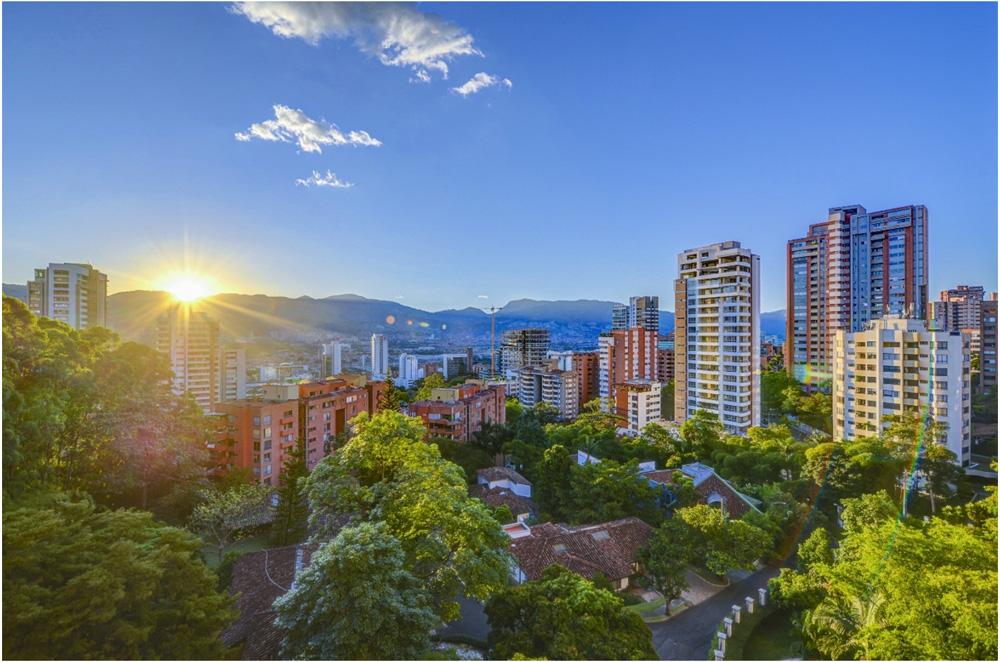
This once-notorious city is now known as one of the most livable cities in Latin America.
Tree-lined avenues. Open-air gyms. Squares filled with families. Trendy cafés buzzing with youthful energy. Incredible weather too—thanks to its spot 4,900 feet up in the Andes, close to the equator, with spring-like days all year.
I found good food, a warm welcome, and a vibrant atmosphere. And I found incredible overlooked opportunity. Yet back then, it was only expats on oil contracts and the odd English teacher who had discovered it.
What I saw was one of the greatest transformation stories of the past decade—Colombia’s once-overlooked city of Medellín.
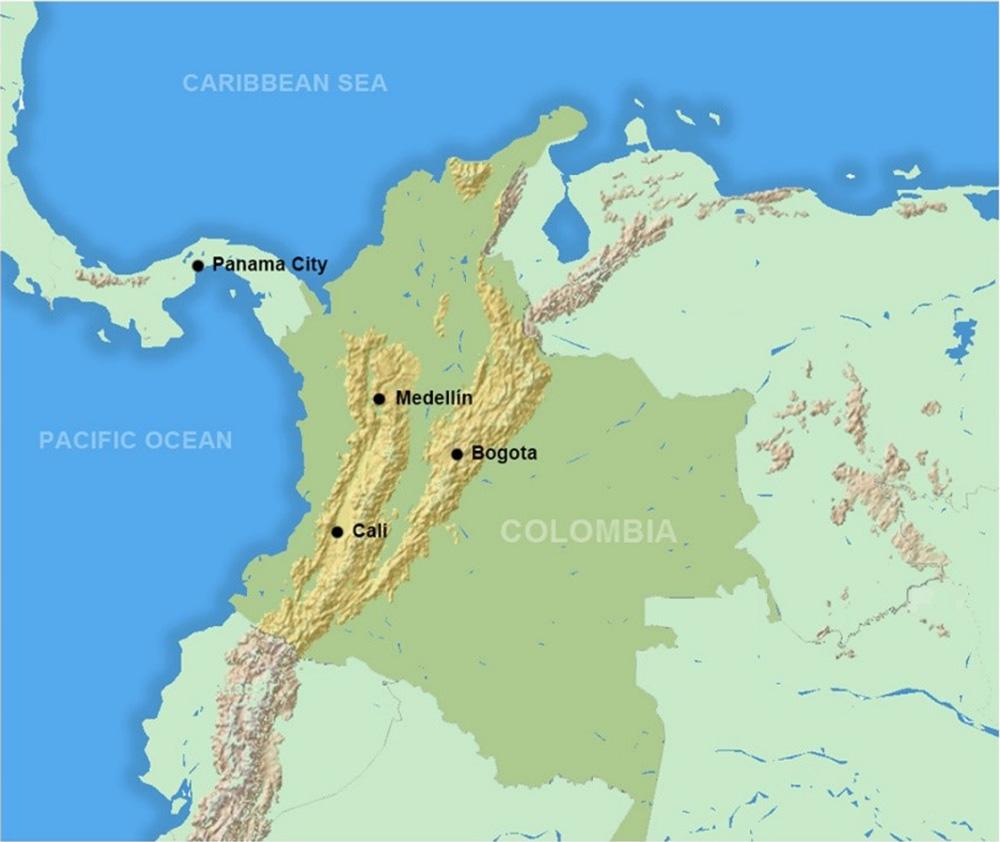
Strategically positioned, Medellín has access to both the Pacific and Caribbean coasts and lies within reach of Colombia’s fertile coffee-growing and food-producing regions, as well as the flower-producing highlands east of Medellín, including towns like Rionegro and La Ceja, known for their cooler climate and vibrant floriculture.
When I was in Medellín in 2011, the reputation of the city was totally out of date. This was a perfect-weather, cosmopolitan place and I saw the potential long before the mainstream.
But, oh boy, has the world caught up now…
ForwardKeys’ latest analysis of air bookings shows that between January and June 2025, Medellín saw a 30.1% increase in international reservations, making it one of Colombia’s top cities for attracting foreign visitors. Accounting for 19.3% of all international reservations to the country, Medellín ranks as the second most popular destination after Bogotá.
And people are coming here to live too.
It’s gone from the most dangerous city in the world to one of the most livable cities in Latin America.
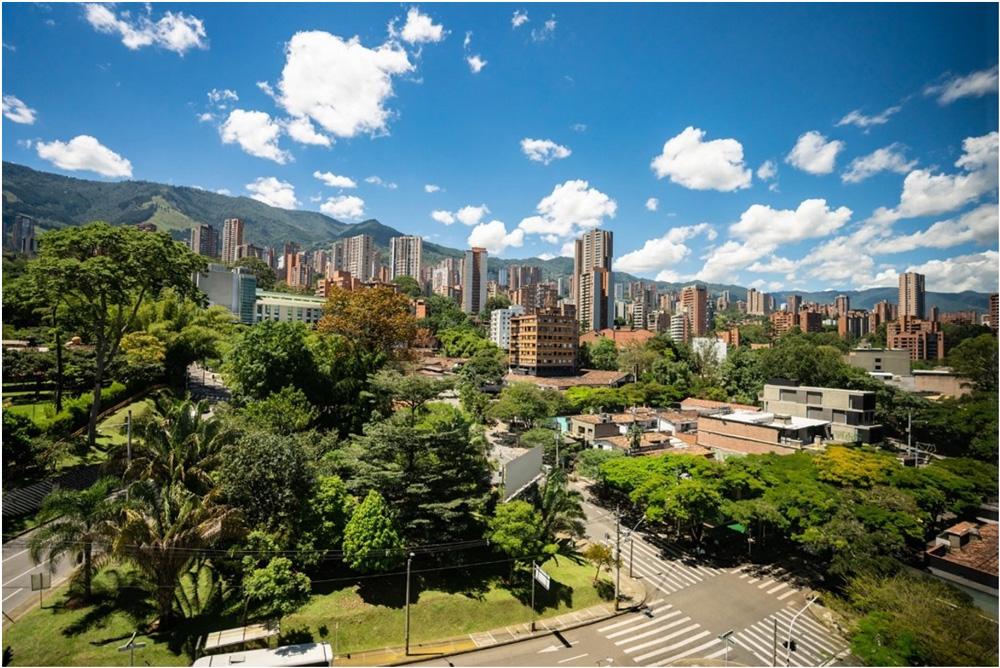
Medellín has become a major hotspot for snowbirds, digital nomads, and work-from-anywhere professionals thanks to its outstanding climate and high quality of living.
What’s happened in Medellín began around the turn of the century when the city launched a massive push to escape its troubled past.
The Medellín Metro, inaugurated in 1995, was both a symbolic and practical catalyst for the city’s transformation.
Then came the public-transport cable cars, allowing people to get from the working-class hillsides to their jobs on the valley floor in 20 minutes.
Then the outdoor escalators. The libraries, the parks, the police reforms.
Today the city even has a Chief Resilience Officer…
Medellín reimagined itself. And real estate has followed.
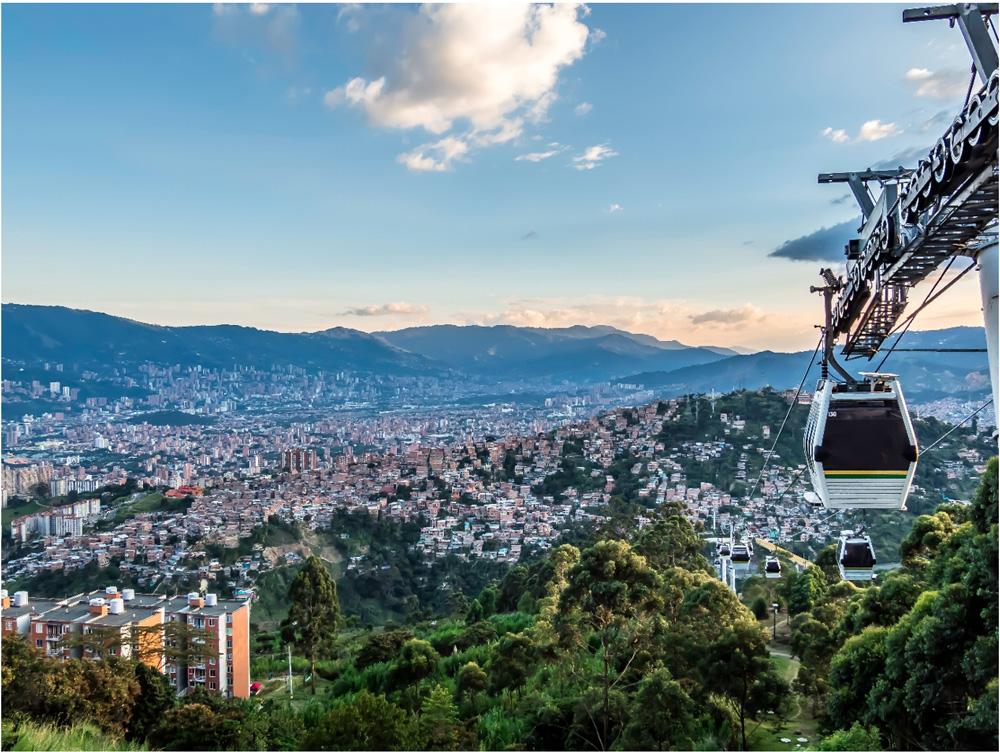
Here’s the skyline of Medellin as seen from a hillside cable-car station.
El Poblado, once just an affluent enclave, became the default choice for anyone with means. Laureles, with its tree-lined boulevards and mid-century bones, started attracting creatives, returnee Colombians, and younger expats. Provenza emerged as a boutique hospitality hub. Sabaneta, Envigado, and Belén began to swell with middle-class growth.
Today, the Medellín metro area is home to about 4 million people. Its tech and innovation districts are growing. Digital nomads are arriving in droves.
Medellín sits in the same mental bucket as Mexico City, Buenos Aires, Playa Del Carmen, and now Asuncion.
Over the past two decades, Colombia has experienced moderate but resilient economic growth, averaging around 3–4% annually, with particularly strong performance in the 2000s and early 2010s driven by commodity exports, improved security, and foreign investment.
Recent years have seen a slowdown: after a sharp post-pandemic rebound in 2021, growth decelerated due to inflation, high interest rates, and political uncertainty—dropping to just 0.6% in 2023 and remaining sluggish into 2025.
But the same is not true of Medellín. It has surpassed the national average for decades.
And on that point, it’s worth noting a regional peculiarity.
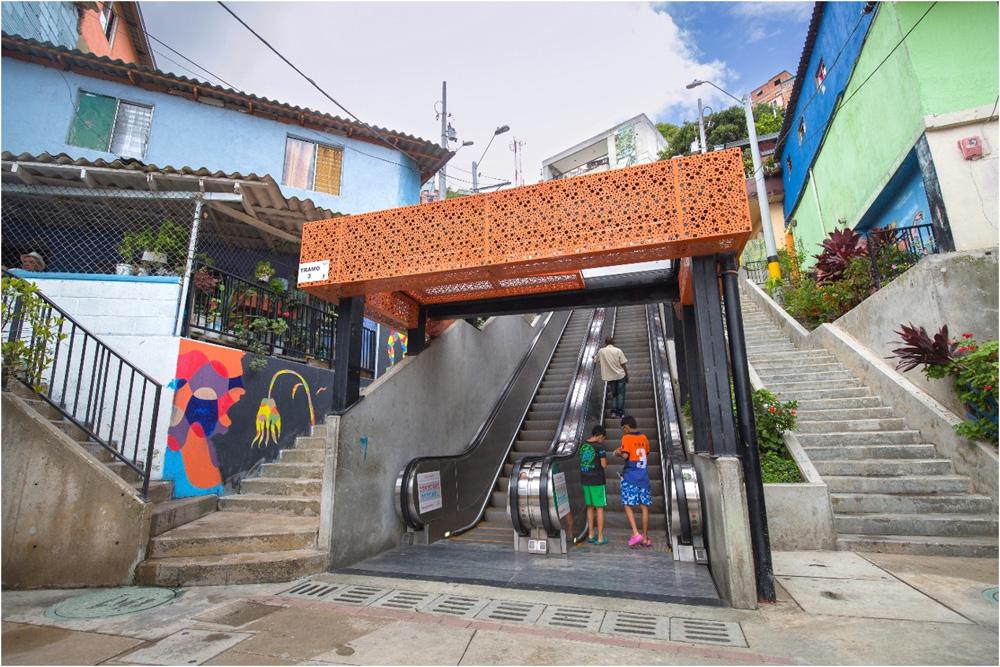
These are Medellín’s hillside escalators in Comuna 13—an innovative public transport solution that transformed access for thousands of residents. Once isolated by steep terrain, this vibrant neighborhood now connects seamlessly to the city.
Medellín’s people have quite an independent mindset. They don’t much care about what’s happening in Bogotá or the rest of Colombia for that matter. They’re like their own nation. That makes me think of Medellín as a kind of Catalonia of South America. A distinct entity.
And this independent streak means that the government invests in the city, in local services, and in infrastructure projects like the metro. An intra-city “Path of Progress,” if you like.
Which means this mindset is positive for real estate…
The real question today is where to buy, what to buy, and how to position yourself for the next phase of growth.
That’s why I shared four specific strategies with RETA members that I believe make sense in Medellín right now. Here’s the first…
Furnished Rentals in Laureles and El Poblado
One of the most attractive current plays in Medellín is this: buy a well-located, furnished two- or three-bedroom apartment in areas like Laureles or El Poblado, and position it for monthly and long-term rental.
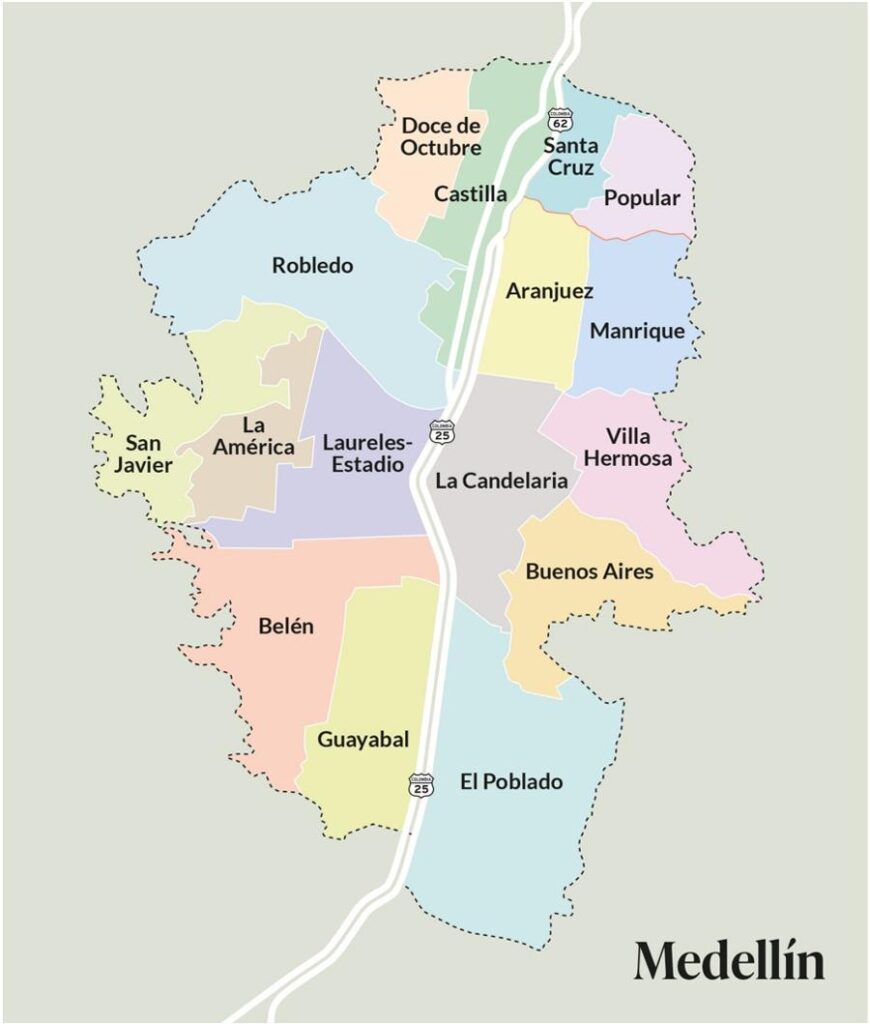
Here you can see the neighborhoods of Laureles and El Poblado, where I’ve found incredible opportunities for RETA members in the past.
With this play on furnished two- or three-bedroom apartments, you’re targeting a very specific tenant: not the backpacking digital nomad on a budget, and not the long-term local. Think instead of snowbirds from North America, remote executives, entrepreneurs, and people of means who can afford comfort, style, and location—but don’t want the overhead of a high-end hotel or serviced apartment. They want space, amenities, and good walkability.
I anticipate this market being driven by a steady stream of Americans spending one to three months in Medellín. Folks who spend extended time here for lifestyle, weather, or business reasons and who can afford to spend a little more.
They don’t want budget rentals. They want security, good views, reliable high-speed internet, a smart layout, maybe a bit of indoor-outdoor flow, and a building that reflects their lifestyle expectations.
A balcony, a view, parking, and amenities like a gym or pool help clinch the deal.
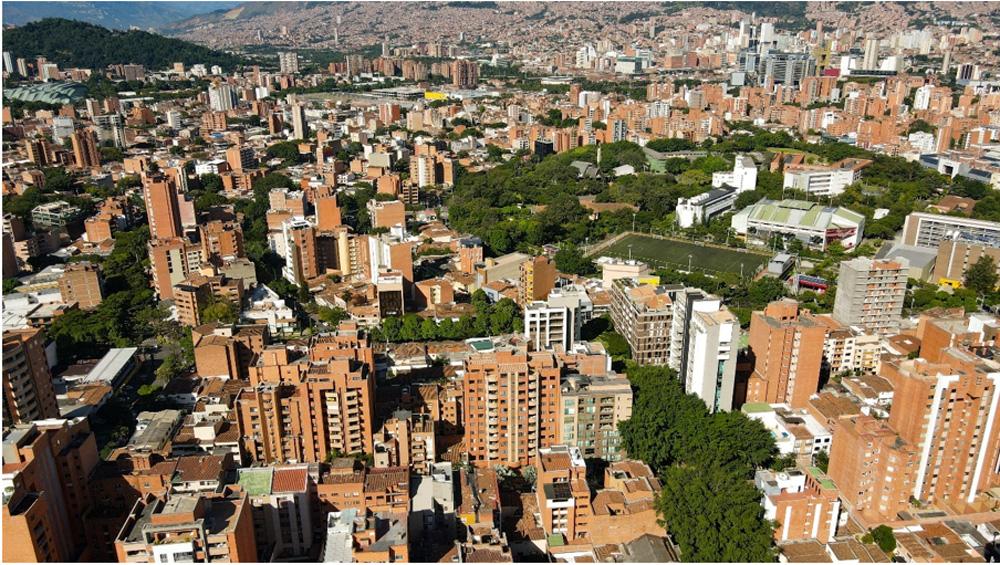
Medellín’s geography limits horizontal expansion, pushing developers toward high-rise construction. This is the Laureles area of Medellín.
These renters aren’t price-sensitive in the way tourists are. They’re looking for the right fit—and they’ll pay for it. That’s what makes this a compelling model.
The sweet spot for buying is under $200,000, and I wouldn’t go far above $250,000. It would be challenging to make more than $20,000 a year in rental income. There’s typically more rental demand for properties renting from $1,500 to $2,000 per month.
Focus on units with at least two bedrooms, two baths, and strong natural light. Aim for locations close to proven rental demand corridors: around Provenza, in central El Poblado, or in the heart of Laureles near good cafés and walkable streets.
Here are a few examples… (Note: neither I nor my team has done due diligence on these.)
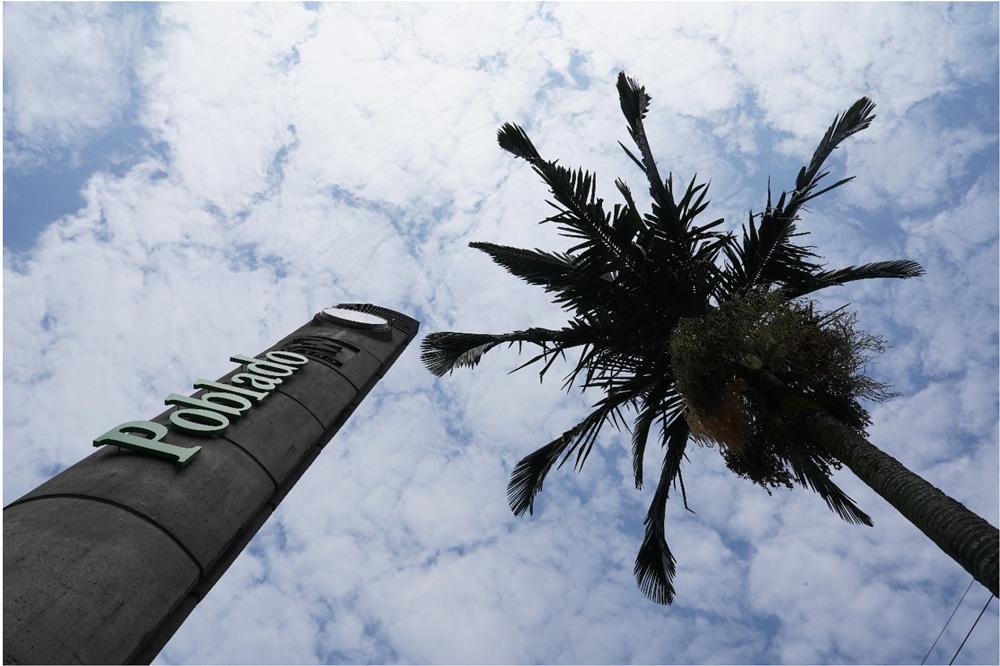
El Poblado is an area I’ve watched for years…I’ve brought RETA members lucrative opportunities here.
This apartment in Laureles spans 1,345 square feet, has three bedrooms and three bathrooms, and is on the market for COP 950,000,000 ($243,200). It’s tucked inside a gated community which offers privacy. The building has a range of amenities including a gym, sauna and social lounge.
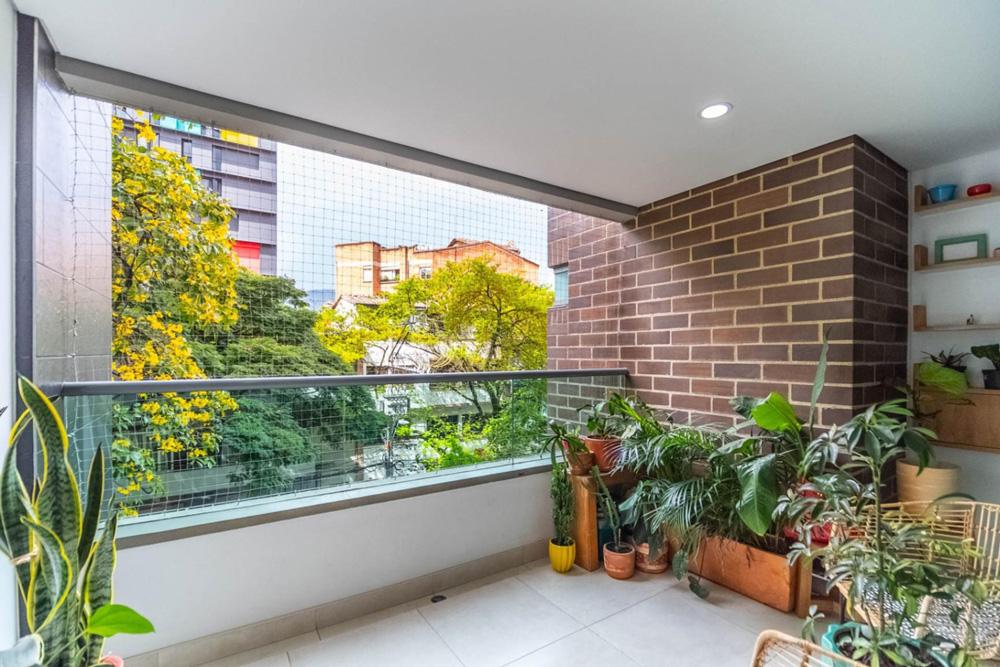
This apartment in a gated community in Laureles was built in 2020.
Another example in Laureles is this three-bed, three-bath apartment just down the street from the last listing. It has a constructed area of 990 square feet and a total living area of 1,291 square feet. It’s on the market for COP 1,000,000,000 ($256,000). Despite being 50 years old, the apartment appears to be in good condition.
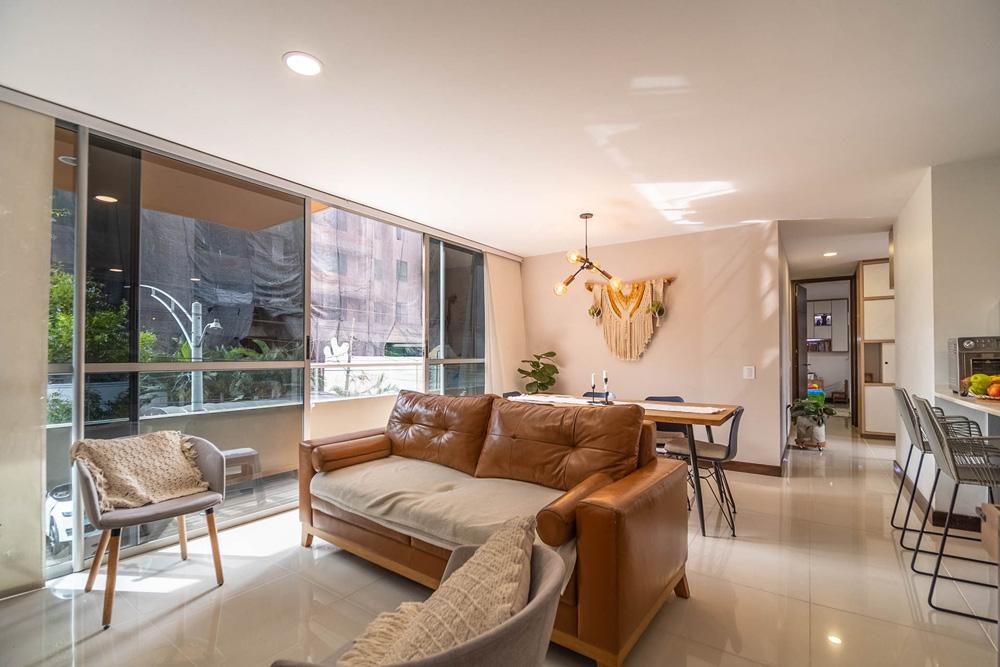
This older apartment is located in the attractive Laureles area.
Moving on to the El Poblado neighborhood this three-bed, four-bath apartment spans 1,679 square feet and is on the market for COP 825,000,000 ($211,300). It has access to basketball courts and expansive green areas. The apartment comes with two parking spaces.
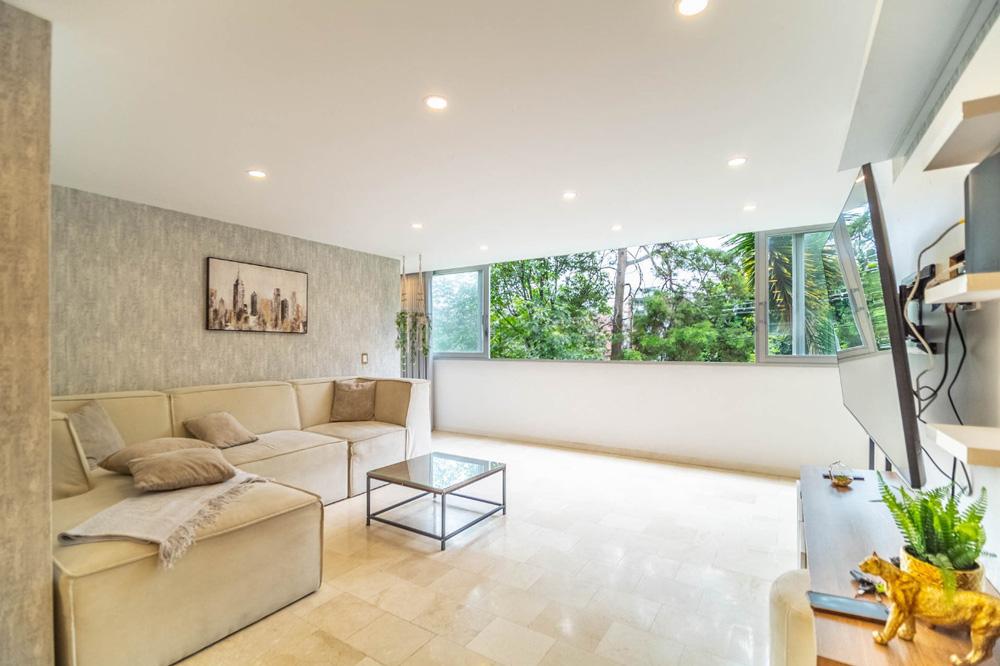
This apartment is in one of the city’s most desirable areas.
I’ve seen similar apartments renting long-term for between COP 4,350,000 per month and COP 6,028,000 per month (about $1,120 to $1,550). Let’s say you buy an apartment for $230,000 unfurnished. Furnish it and rent it out charging a premium of $1,500 to $2,000 per month, depending on the apartment.
The reason this play could work well is the durability of the renter profile. These aren’t weekend warriors or people booking via Airbnb for three nights.
They want stability, and many return year after year.
With the right building and right pricing, your marketing can become highly repeatable. You’ll likely need strong on-the-ground management and local partnerships—but the effort is well rewarded.
This is one strategy.
I shared three more with RETA members…as well as more insight into the Medellín market.
If you’re not a RETA member, join now to unlock access to this and all of my most valuable and actionable research.
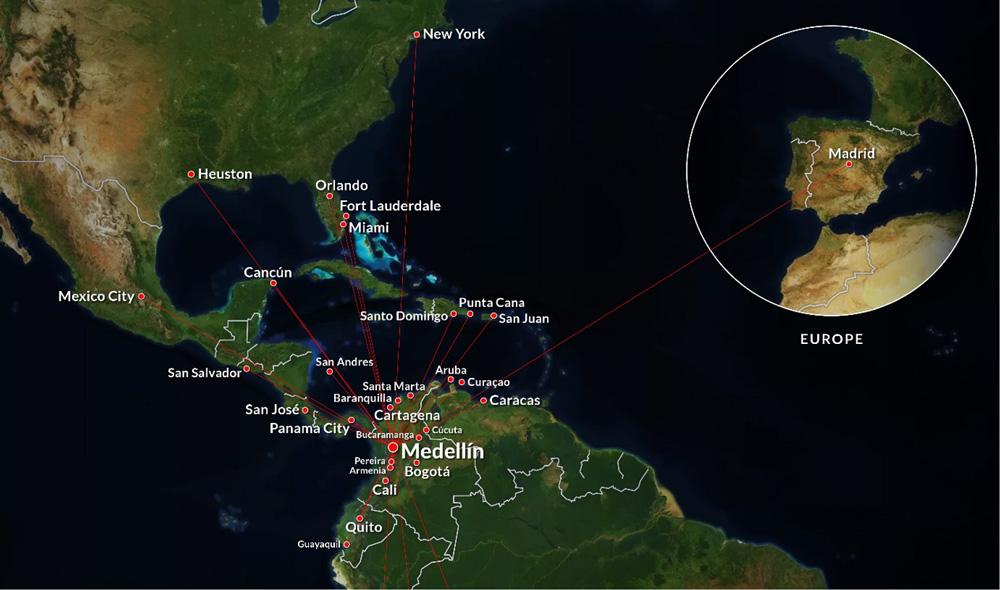
As of 2025, Medellín offers non-stop flights to 35 destinations in more than 15 countries, including the U.S., Mexico, Panama, Peru, and Spain.
Wishing you good real estate investing,

P.S. As I mentioned at the top, I’ve found some incredible opportunities for RETA members in Medellín. By being ahead of the crowds, RETA members could have done incredibly well.
- In 2011 I focused on the upscale neighborhood of El Poblado. Back then I recommended condos of around 1,000 square feet priced for under $100,000. Today, condos like these are selling for $250,000 and up. Plus you could have been earning a double-digit rental yield every year as values steadily rose…
- In 2018, I recommended buying older homes in the Laureles neighborhood of Medellin. Homes bought for $150,000-$200,000 then would now cost around $450,000. (You could have bought a real asset that doubled in value in seven to 10 years while kicking off an additional 10% plus in income every year…)
- In 2020, when the pandemic hit RETA members were alerted to a buying opportunity in El Poblado with condos going at the incredible price of between $80 and $100 per square foot.
I can find opportunities like this because we have deep contacts on the ground. My COO has lived in Medellín since 2017—another of the mobile professionals who fell in love with the city and climate and made his home there. He’s my eyes on the ground. And his recent reports of the city’s evolution have got me excited about what’s happening there.
Because there are still opportunities if you know where to look, how to look, and how to act on it. And that’s what RETA is all about. I’ll be sharing more about Medellín in RETA…