
Real Estate In Ireland
©Shutterstock.com/Fotogro
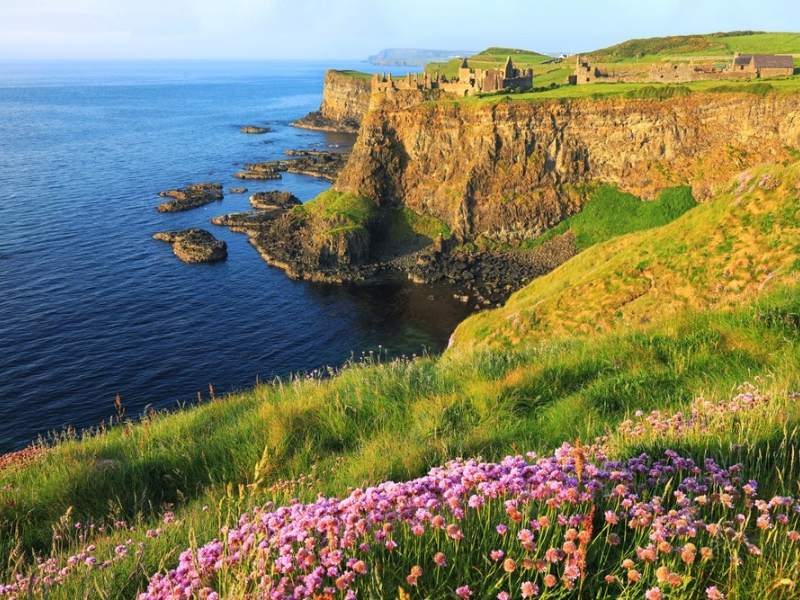
The dream of owning a home in Ireland resonates with people across the globe. For many, they are drawn by the rolling green landscapes, ancient castles, country homes and a rich, welcoming culture steeped in music and history.
This romantic vision is a powerful part of Ireland’s appeal, but it is now matched by the reality of a modern, dynamic, and forward-thinking nation. As an English-speaking member of the European Union, Ireland has become a major hub for global technology and pharmaceutical companies, boasting a resilient and sophisticated economy.
This unique combination of timeless charm and modern prosperity has created a diverse property market. While Ireland might not be the best place to buy real estate for profit, it does still offer a compelling lifestyle play.
This guide is designed to provide a comprehensive overview for prospective buyers, covering everything from the reasons to invest in Irish property and the top locations to consider, to the practicalities of navigating the legal process as a foreigner.
- Real Estate In Ireland
- Why Invest In Real Estate In Ireland
- Property Market In Ireland
- Best Places To Buy Real Estate In Ireland
- Process For Buying Real Estate In Ireland
- Can Foreigners Buy Property in Ireland?
- Financing and Mortgages for Foreign Buyers
- Property Taxes and Fees in Ireland
- Ireland Real Estate: Our Thoughts
- Sign up to Overseas Dream Home now, and Discover The Best Places in the World to Buy Real Estate 2025.
- Sign up to Overseas Dream Home now, and Discover The Best Places in the World to Buy Real Estate 2025.
- Real Estate Opportunities By Country

Reviewed by Ronan McMahon
Ronan McMahon is an Amazon best-selling author and expert in international real estate. He regularly contributes to Overseas Dream Home. Visit his website at ronanmcmahon.com


Why Invest In Real Estate In Ireland
©Shutterstock.com/canvast
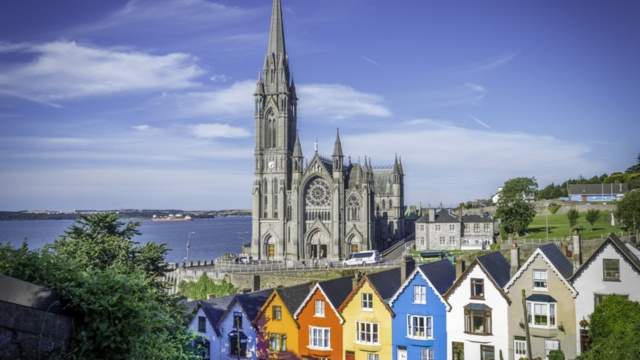
Ireland’s appeal as a location for property ownership extends far beyond its scenic beauty. The decision to buy real estate here is backed by a powerful combination of lifestyle benefits, economic strength, and practical advantages for foreign buyers.
Lifestyle and Culture
One of the most significant draws is the Irish way of life. The country is renowned for its welcoming communities, the lively atmosphere of its traditional pubs, and the famous “craic”, a term for enjoyable conversation and good fun. For many, owning property in Ireland is an investment in a lifestyle that values community, culture, music, and history.
Strong Economy
Ireland is one of the wealthiest and most successful economies in Europe. It has established itself as the European headquarters for many of the world’s largest technology and pharmaceutical companies, earning some parts of Dublin the nickname “Silicon Docks” in some parts of Dublin. This strong, modern economy, combined with a highly skilled workforce, provides a stable foundation for the property market and offers confidence to long-term investors.
English-Speaking Gateway to Europe
For American and other non-EU buyers, Ireland offers a unique and highly practical advantage: it is an English-speaking member of the European Union. This eliminates any language barrier to navigating the property market, conducting business, or integrating into daily life, all while providing a base with full access to the rest of the EU.
Citizenship and Ancestral Links
Owning property in Ireland can be a component of a long-term plan to gain residency, which can eventually lead to eligibility for Irish citizenship and an EU passport. Foreign nationals who legally reside in Ireland for five years can apply for citizenship through naturalisation. For the millions of Americans with Irish ancestry, buying a home here is also a powerful way to reconnect with their heritage.
Property Market In Ireland
©Shutterstock.com/Madrugada Verde
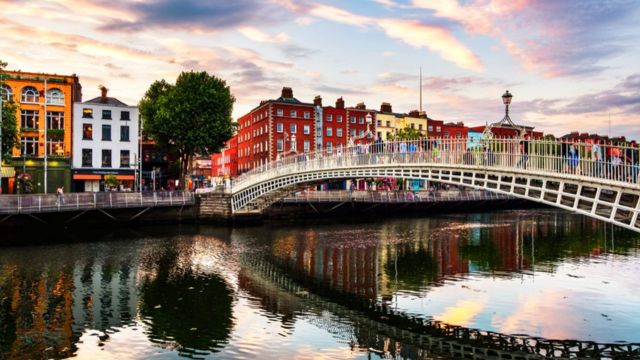
The Irish property market is known for its resilience and has experienced significant changes over the past two decades. After a major downturn following the 2008 financial crisis, the market has seen a sustained recovery and is currently defined by a fundamental imbalance between strong demand and a chronic shortage of housing supply.
This has resulted in a consistent upward trend in property values across the country. As of late-2025, the national average asking price for a home is approximately €385,000, representing a steady year-on-year increase.
This strong demand is underpinned by Ireland’s robust economy, a growing population, and the continued presence of major multinational corporations. While recent interest rate increases by the European Central Bank have introduced a note of caution, the lack of available housing stock continues to be the primary driver of the market.
A notable feature is the significant price difference between the capital and the rest of the country; the average asking price for a property in Dublin is well over €450,000.
Overall, Ireland’s property market is hugely dysfunctional. Put simply, there’s a chronic shortage of homes which is what is driving property prices up, especially in the country’s urban centers. Which makes investing in Ireland for profit difficult (though not impossible).
Indeed, if you look outside of Ireland’s major population centers and get into the heart of the Irish countryside and you will find affordable and attractive real estate options, like a charming cottage in a rural setting for under $200,000.

Sign up to Overseas Dream Home now, and Discover The Best Places in the World to Buy Real Estate 2025.
Enter your email now to download The Best Places in the World to Buy Real Estate in 2025.
You’ll also start receiving your free Overseas Dream Home eletter in your inbox every day!
No-spam pledge: We value your privacy. You can unsubscribe at any time.
Best Places To Buy Real Estate In Ireland
Dublin
As the nation’s capital, Dublin is the epicentre of Ireland’s economy, culture, and social life. It’s home to the headquarters of numerous multinational tech companies, a vibrant arts scene, and the country’s main international airport.
For those seeking a fast-paced, urban lifestyle with the most job opportunities and amenities, Dublin is the top choice. However, this high demand comes with the highest property prices in the country, with the average asking price for a home in the city exceeding €450,000 as of mid-2025.
Cork
Often called Ireland’s “second city,” Cork offers a more relaxed and affordable urban experience than Dublin, without sacrificing opportunities. It has a strong identity, a burgeoning tech and pharmaceutical industry, and is renowned for its exceptional food scene, particularly the famous English Market.
For many, Cork provides the perfect balance of city life and easy access to the stunning coastline of West Cork, making it a highly desirable alternative to the capital.
Galway
Known as Ireland’s cultural heart, Galway is a bohemian and energetic city on the West Coast. It is famous for its lively pubs, street performers, and numerous arts and music festivals throughout the year.
As a gateway to the dramatic landscapes of the Wild Atlantic Way, it appeals to those who value creativity, culture, and a deep connection to Ireland’s stunning wild, natural beauty. The property market is competitive, reflecting its immense popularity with both locals and international buyers.

Galway City is known for its artsy vibe and vibrant traditional music scene.
©Shutterstock.com/C.Echeveste
The West of Ireland
For those dreaming of the quintessential Irish cottage surrounded by stone walls and rugged scenery, the counties of the West are the ideal destination.
Areas like County Clare, home to the Cliffs of Moher, and County Kerry, with the famous Ring of Kerry, offer a slower pace of life. Property here is more focused on lifestyle and offers better value for money, providing an opportunity to purchase a home with incredible views and a true sense of peace and tranquility.
The “Sunny South East”
This region is affectionately known as the “Sunny South East” for its reputation of having the best weather in Ireland. Adding to the region’s appeal, Waterford City was named the overall ‘Best Place to Live in Ireland’ in 2021 by The Irish Times and in 2025 by the Ireland Livability Index.
It boasts a spectacular coastline, including the Copper Coast UNESCO Global Geopark in Waterford, and is rich in history. Property prices here are generally more accessible than in Dublin or Galway, offering excellent value for those seeking a coastal lifestyle with beautiful beaches and charming towns, all within a couple of hours’ drive of the capital.
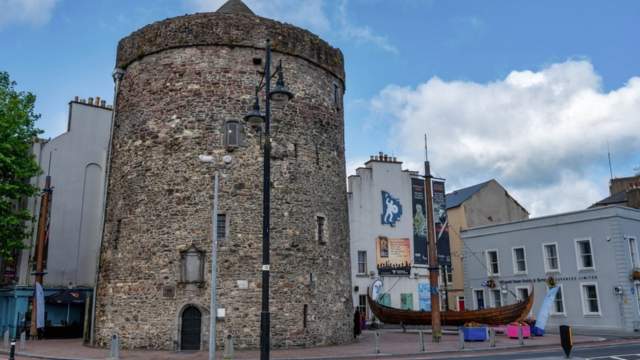
Waterford has strong ties to its Viking past, remnants of which can be seen all around the city.
©Shutterstock.com/shawnwil23
Sign up to Overseas Dream Home now, and Discover The Best Places in the World to Buy Real Estate 2025.
Enter your email now to download The Best Places in the World to Buy Real Estate in 2025.
You’ll also start receiving your free Overseas Dream Home eletter in your inbox every day!
No-spam pledge: We value your privacy. You can unsubscribe at any time.
Process For Buying Real Estate In Ireland
The property buying process in Ireland is a formal, solicitor-led system that differs from the process in the United States. It is designed to be secure and thorough, ensuring that the property title is legally and correctly transferred to the new owner.
Engaging a Solicitor
The first and most important step for any buyer is to engage a solicitor. In Ireland, all legal aspects of the property transfer, known as conveyancing, are handled by solicitors representing the buyer and the seller. Your solicitor will conduct all necessary due diligence, review contracts, and ensure your interests are protected throughout the process.
Making an Offer and Paying a Booking Deposit
Once you have found a property and agreed on a price with the seller’s real estate agent, you will be asked to pay a booking deposit. This is a small, good-faith deposit paid to the real estate agent to signal your commitment. At this stage, the sale is not yet legally binding, and the booking deposit is typically refundable if you decide not to proceed before signing the contracts.
Surveys, Contracts & “Sale Agreed”
After the booking deposit is paid, the property is marked as “sale agreed.” Your solicitor will then receive the contracts and title documents from the seller’s solicitor for review. This is the crucial period for you to have a structural survey of the property carried out by a qualified engineer or surveyor.
Once your solicitor is satisfied with the legal documents and you are happy with the survey, you will sign the contracts and pay a non-refundable contract deposit, which is typically 10% of the purchase price, less the booking deposit you have already paid. Once the seller signs the contract, the sale becomes legally binding.
Closing the Sale, Stamp Duty, and Registration
The final stage is the closing. Your solicitor will have requested the remaining balance of the purchase price from you or your mortgage lender. On the closing day, these funds are transferred to the seller’s solicitor. In return, your solicitor receives the keys and the title deeds to the property. After the sale closes, your solicitor will file the deed of transfer with the Property Registration Authority to register you as the new owner and will pay the Stamp Duty, which is a government tax on property purchases, on your behalf.
Can Foreigners Buy Property in Ireland?
There are no restrictions on foreign nationals purchasing residential property in Ireland. The process of buying a home is the same for Irish citizens, EU citizens, and non-EU citizens alike. You do not need to be a resident of Ireland to purchase property, and the legal steps for acquiring title to a property are identical for everyone.
It is important to understand, however, that owning property in Ireland does not automatically grant you the right to live in the country. Residency rights are a separate immigration matter. A non-EU citizen, such as an American, would still need to qualify for a long-stay visa or permission to reside in Ireland based on criteria such as employment, family ties, or sufficient financial means, independent of their property ownership.
Financing and Mortgages for Foreign Buyers
While it is possible for a non-resident to obtain a mortgage from an Irish bank, it can be a challenging process. Irish lenders apply stricter criteria to foreign buyers, and you should be prepared for a more rigorous application process than you would face in your home country.
Typically, non-resident applicants may be required to provide a larger deposit, often in the range of 30% to 40% of the property’s value (for residents, it’s typically 10%). The lending bank will conduct a thorough assessment of your financial standing, including your income, existing debts, and your credit history in your country of residence.
They will also look for evidence of a strong connection to Ireland. Each bank has its own specific criteria, and some may be more open to lending to non-residents than others.
Because of these challenges, many foreign buyers choose to purchase a property with cash or secure financing from a lender in their home country.
However, it is worth consulting with an Irish mortgage broker who specialises in non-resident applications, as they will have the most up-to-date knowledge of the lending landscape and which banks are most likely to approve your application.
Property Taxes and Fees in Ireland
Beyond the purchase price, there are several other costs that buyers need to account for, primarily related to government taxes and professional fees.
Stamp Duty
Stamp Duty is a tax paid to the Irish government on the purchase of a property. For residential properties, the rate is 1% on the value of the property up to €1 million, and 2% on any amount above €1 million. This tax is paid by the buyer, and your solicitor will handle the payment on your behalf as part of the closing process.
Local Property Tax (LPT)
Local Property Tax, or LPT, is an annual self-assessed tax charged on the market value of all residential properties in Ireland. The owner of the property is liable to pay this tax each year. The amount you pay is based on the valuation band your property falls into, which you determine yourself every few years based on market guidelines provided by the Revenue Commissioners.
Solicitor’s Fees
A significant cost in the buying process is the fee for your solicitor, who handles all the legal work of the property transfer (conveyancing). These fees can be a flat rate or a percentage of the purchase price, typically around 1% to 1.5%, plus VAT (Value Added Tax). It is important to get a full quote for legal fees upfront.
Other Fees
In addition to the main costs, you should also budget for several other smaller fees. These include the fee for a structural survey carried out by an engineer or surveyor, a valuation fee if you are obtaining a mortgage, and land registration fees paid to the Property Registration Authority to register you as the new owner of the property.
Ireland Real Estate: Our Thoughts
Ireland offers a truly unique proposition for international property buyers. It is one of the few places in the world where you can invest in a modern, dynamic, and resilient European economy while also gaining access to a world-renowned lifestyle and rich cultural heritage. The property buying process is transparent, with a clear legal process that gives foreign buyers the same rights as citizens.
Although the Irish real estate market has its issues right now, this is still a great country to spend time in…whether that’s part time or full time. To get the best bang for your buck when buying property , you will have to look beyond Ireland’s capital and larger towns and cities.
But with so much going for it, not least the rugged coastal cliffs, rolling green hills, glistening lakes, and ancient forests, Ireland is a romantic place…somewhere that remains popular and desirable among international real estate buyers.
Although there are few opportunities in Ireland right now from an investing perspective (prices are just too high), you can find some charming homes, set among those famous rolling green hills, that would be a lovely lifestyle play for the right person.