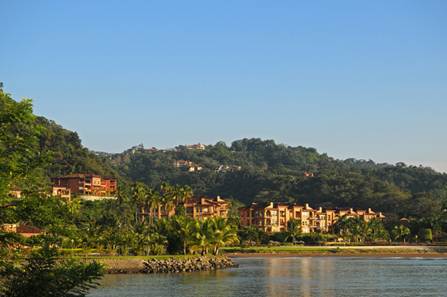
The Real Estate Buyer’s Guide to Costa Rica
An Overseas Dream Home Report
TABLE OF CONTENTS
- Why Costa Rica Has Been an Expat Haven and Investor Favorite for Decades
- The Best Places to Own in Costa Rica
- What to Keep in Mind When Buying Real Estate
- Safety and Security
- Costa Rica’s High Quality, Affordable Healthcare
- Visas and Residence Options
- Insider Tips for Living in Costa Rica
Why Costa Rica Has Been an Expat Haven and Investor Favorite for Decades
Costa Rica has a powerful allure…
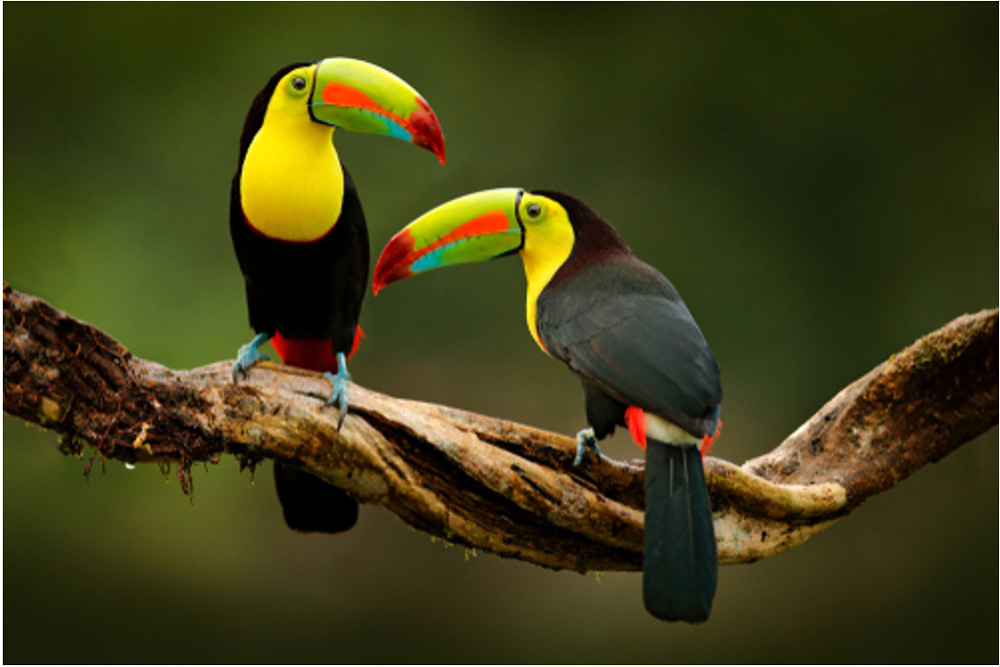
With long stretches of deserted and undeveloped beaches…dense jungles teeming with exotic wildlife…towering volcanoes, lush green valleys, and hundreds of crystal-clear lakes and rivers, the country’s natural beauty is breathtaking. And wildlife is everywhere—scarlet macaws, sloths, toucans, and sea turtles are common sights.
Costa Rica is the originator of eco-tourism. Over 40 years ago, the authorities recognized and invested in the incredible biodiversity and natural splendor of the country, setting aside vast swathes of land as national parks and protecting more with various laws and restrictions on development.
It’s one of the most biodiverse countries on Earth and generates almost 100% of its electricity from renewable resources (including hydroelectric, wind, and geothermal).
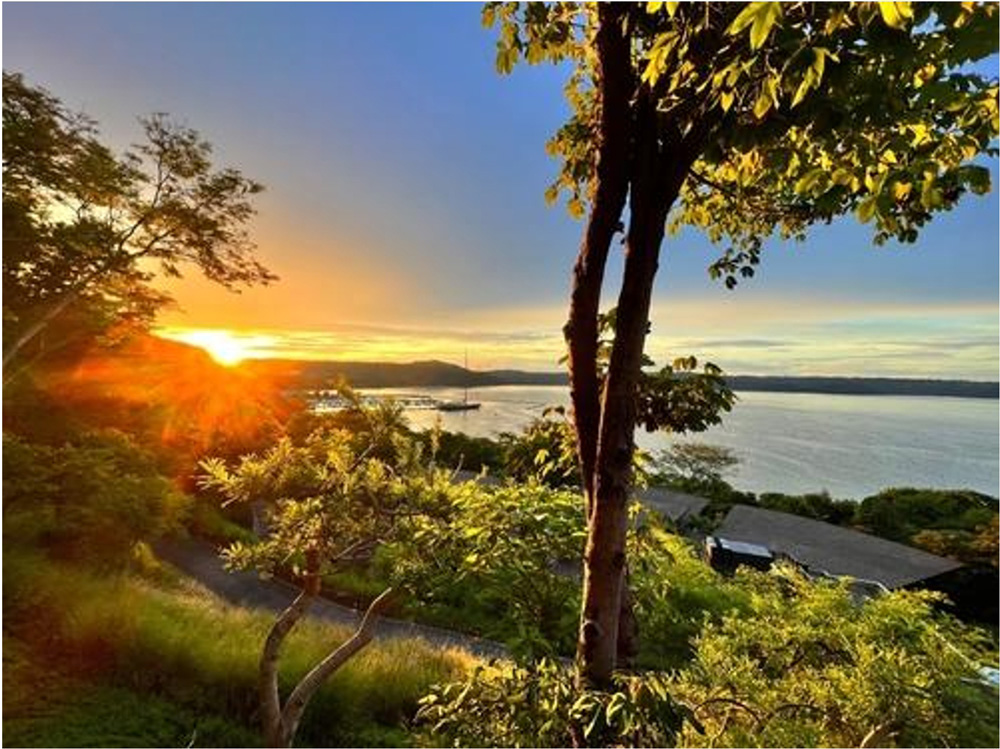
Costa Rica is also long known for its political stability and commitment to democracy, and is among the most expat-friendly countries in Latin America. With no standing army since 1948, Costa Rica invests heavily in healthcare, education, and environmental preservation.
Living and doing business here is easy, English is widely spoken in many areas, the locals—known as Ticos—are famously friendly, and the culture is warm and inclusive.
But perhaps the most appealing part of life in Costa Rica is the pace. Here, pura vida—this literally translates as “pure life”—is more than a slogan. It’s a way of life that just moves more slowly.
For these reasons, Costa Rica has been an expat haven for more than 30 years.
That’s another major benefit: you don’t have to be a pioneer in Costa Rica. There are well-established expat communities throughout the country. Things are “set up” so to speak, when it comes to shipping your household goods, using the healthcare system, buying property, and more. And by following this well-trodden path, your transition to your new life is much easier.
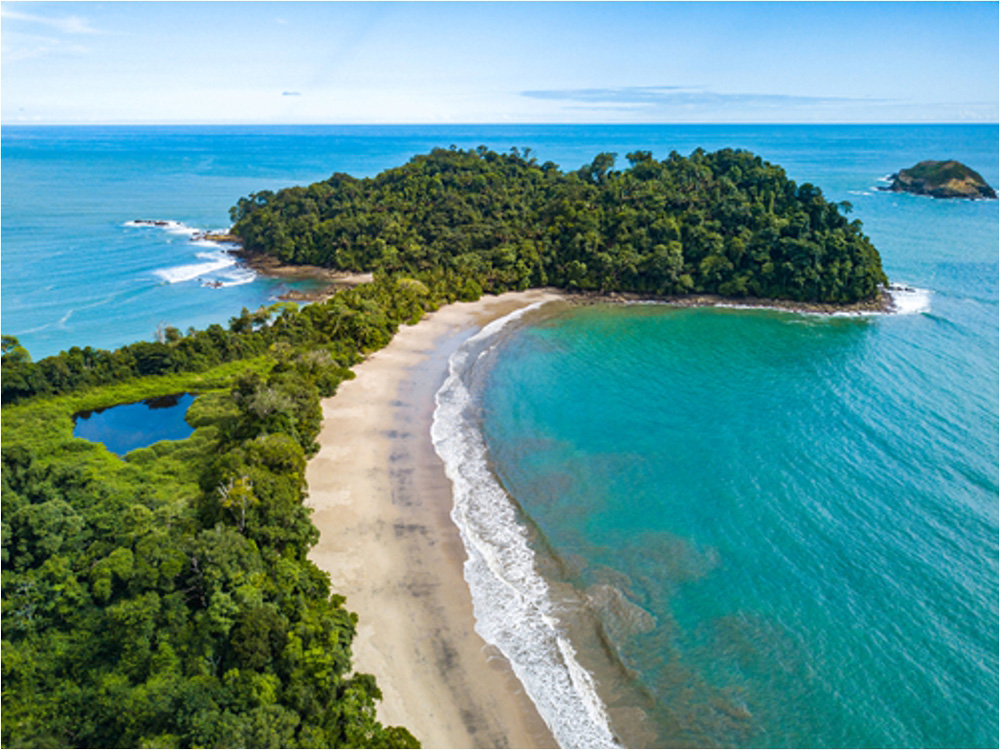
Costa Rica is small, about the size of West Virginia. But the variety of landscapes, climates, and lifestyles is amazing. You have the rainforests, wild beaches, and charming seaside villages of the southern Pacific coast, also known as the Southern Zone.
There are the bustling market towns surrounded by sugar cane fields and coffee plantations of the mountainous Central Valley. Around the pristine 33-square-mile Lake Arenal, expats have taken up residence on the verdant hills rising from the shore, with vast lake views from their homes. On the Caribbean coast, life is laidback and moves to the rhythm of reggae. And that’s just a small taste of all Costa Rica has to offer as far as places to live.
With all these different climates and landscapes, it’s no wonder that this Central American jewel is also one of the most biodiverse spots on the planet. With just 0.03% of the earth’s surface within its borders, the country has an estimated 5% of the world’s species.
Not to mention, Costa Rica has a long history of expat property owners.
Which means that, yes, foreigners can own homes, condos, lots, and land entirely legally in Costa Rica. However, as with any country, there are some important differences in the real estate purchase process that you need to know. You can find details later this report.
In this report, you’ll also find insider tips about moving to and living in Costa Rica, including details on the variety of residence visas, low-cost/high-quality healthcare, safety and security, and much more.
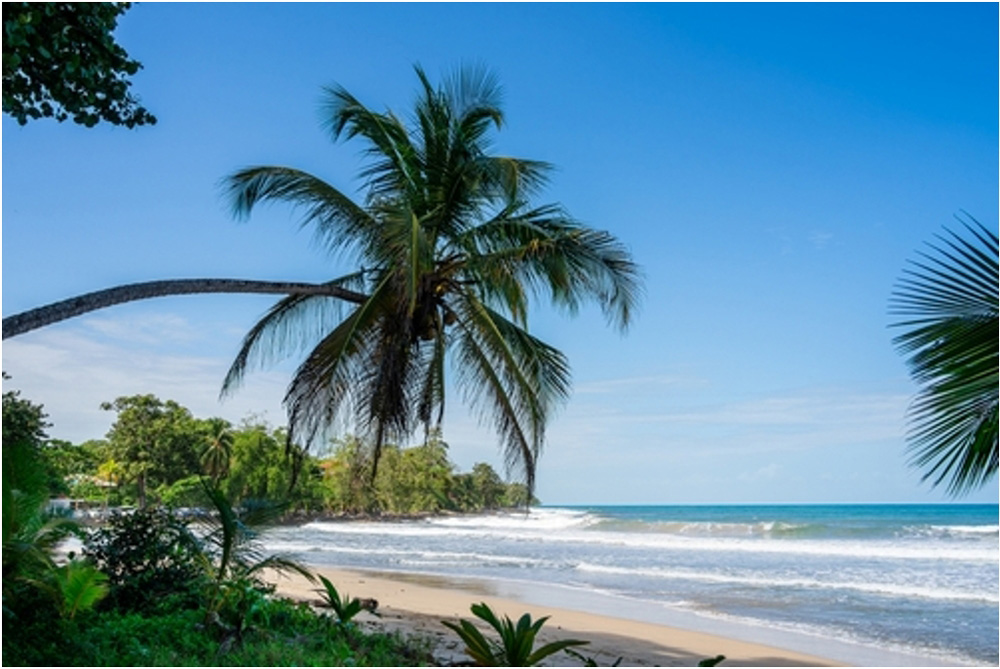
But first, let’s look at the best places to buy real estate in Costa Rica…and one to avoid…
The Best Places to Own in Costa Rica
Northern Pacific Coast
Costa Rica’s North Pacific Coast, also known as the Gold Coast, has been an expat haven for decades thanks to a dry and warm climate, beautiful beaches, fun beach towns, and a laid-back lifestyle.
Surfers and sports fishermen were the first to explore this region, but today visitors of all ages fall in love with the area…some even deciding to call it home.
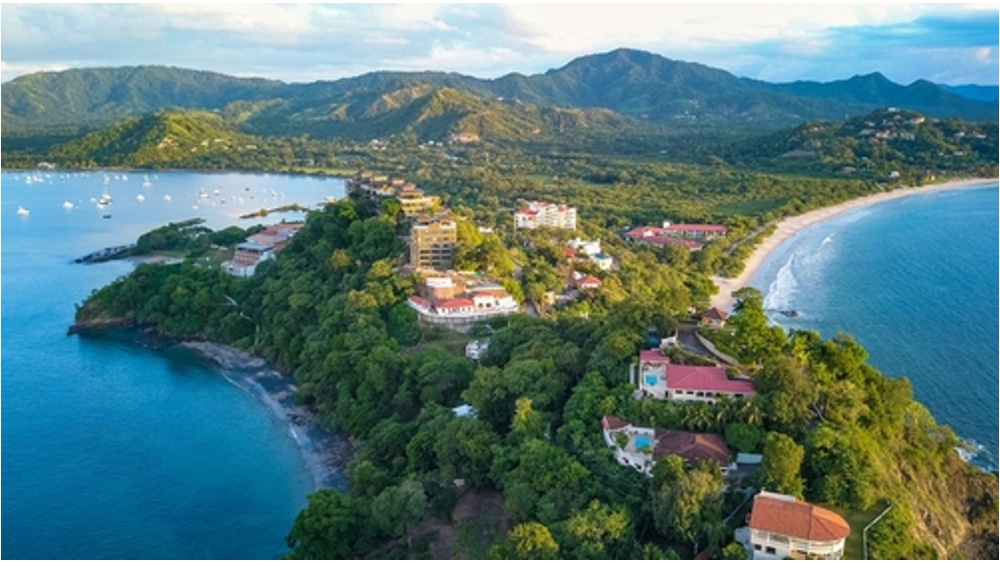
The region, which is in the Costa Rican province of Guanacaste, lures new residents with its beautiful coast, world-class surfing, dramatic ocean views, and endless opportunities for dining on local and international cuisine (including fine dining), sport fishing, swimming, golfing, yachting, horseback riding, or just sunning yourself on the beach.
Not to mention, you can also enjoy top-notch medical care, shopping, community activities and celebrations, and all the modern conveniences you might need.
It’s all the result of a years-in-the-making effort to put this stunningly beautiful place on the map.
Way back before Costa Rica’s tourist boom, this was a sleepy region of cattle farms, empty beaches, and good surf breaks.
It was also hard to get to. The road from the capital city was in bad shape. It was a bumpy ride that took four or five hours. The alternative was to take a prop plane. Whichever option you took, it set you up for the lack of frills when you arrived.
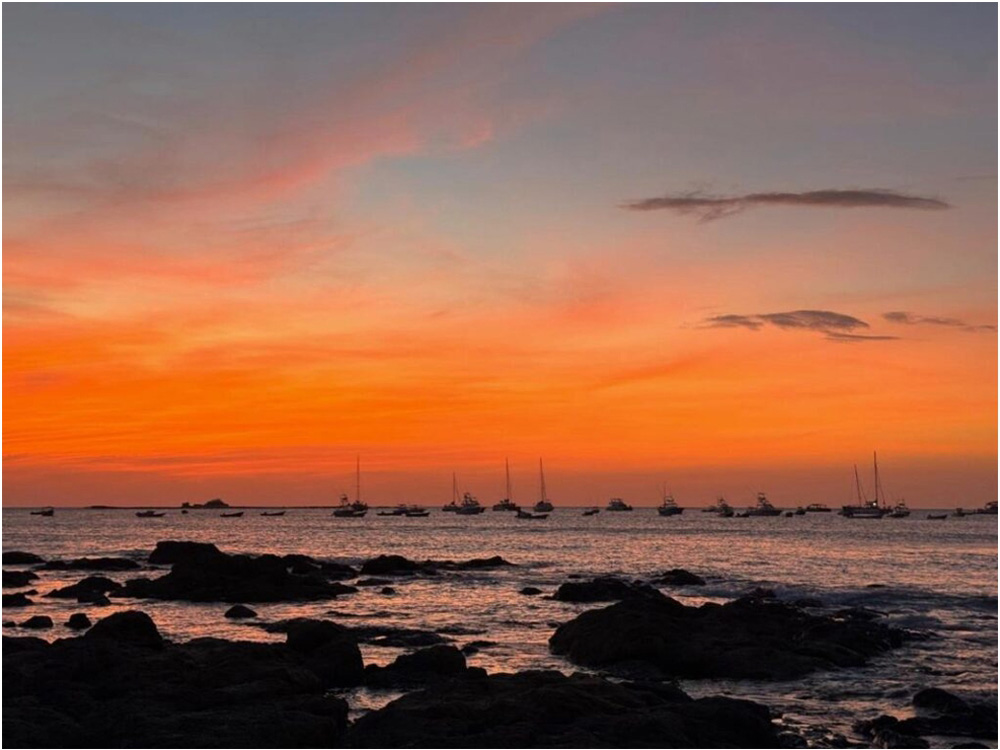
But a savvy group of hotel and real estate developers could see the appeal of this stunning, endless-summer location. The Four Seasons pumped more than $200 million into carving out a top-quality golf course, rooms and suites, and hillside villas with private plunge pools.
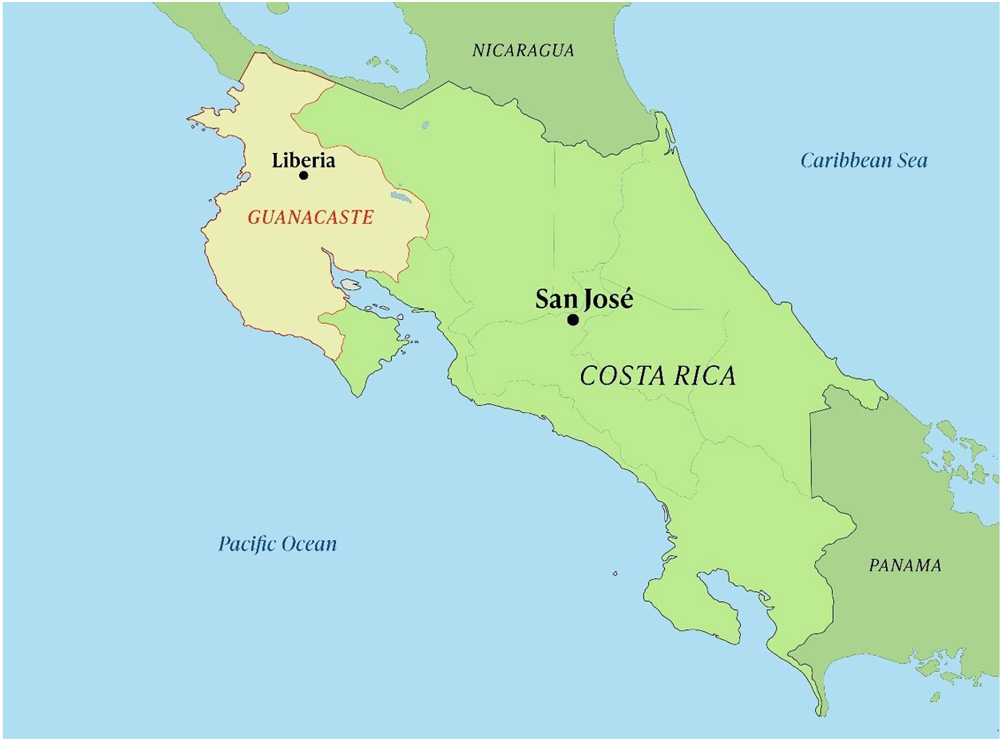
They needed tourists to fill their luxury rooms and pay their premium rates. A bumpy dirt track or a prop plane simply wouldn’t cut it. The road from the capital San José, was soon paved, and the airport at Liberia—the provincial capital, just 30 minutes to an hour from the coastal towns where most expats live—was expanded and upgraded. In 2002, regular direct flights to the U.S. started. In 2003, Liberia’s airport saw 50,000 passenger arrivals. In 2024, the number hit a record 1.9 million.
This kick-started a stunning transformation on this coast…
Tamarindo is probably the most well-known town along this coastline.
First popular with surfers and sport fishermen in the 1970s and ‘80s, more mainstream travelers started arriving in numbers in the region in the mid-‘90s to early 2000s. Soon, it became the site of some of the country’s largest and most exclusive residential communities. Luxury ocean-view condos and gated communities also became popular, and these luxury developments, as well as the large all-inclusive resorts from the likes of the Four Seasons that dot the coast, gave the area its nickname: the Gold Coast.
Today, this is one of the world’s true up-and-coming high-end havens. After the Four Seasons came resorts like The Westin at Reserva Conchal, the JW Marriott at Hacienda Pinilla, and Secrets Papagayo. A single night at these resorts can cost thousands of dollars. And new residential communities here, like the Waldorf Astoria, are selling branded residences for millions and even tens of millions of dollars. In other words, this is no longer a low-cost destination, whether you are buying a home or heading out for dinner.
There is an incredible opportunity here. Demand is huge, but development cannot keep up. As a result, the supply of best-in-class real estate is low. That said, it is there if you know where to look and have the right connections, as I do.
Southern Zone
On Costa Rica’s southern Pacific coast, the Southern Zone is a modern-day Eden…where you are immersed in a bountiful land of fruits, jungle, and pristine coast…
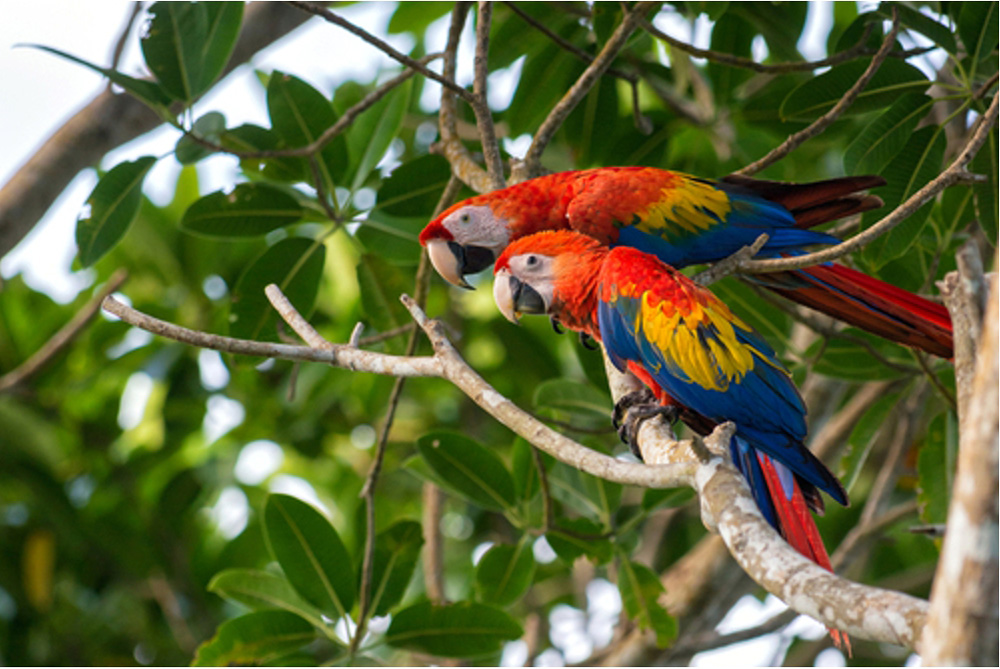
Hummingbirds and electric-blue morpho butterflies flit here and there among the vivid flowers in your garden all day long. You often see toucans and scarlet macaws gliding past too.
There are also delightful monkeys, and the occasional slow-moving sloth high in the rainforest canopy.
Seeing exotic wildlife like this is a given here as much of the region is protected by national parks and reserves.
Plus, with the warm weather, you live much of your life outdoors surrounded by natural beauty…on your deck enjoying locally grown coffee and fresh fruit from the farmers’ market at breakfast…or cold drinks in the afternoon after a day at the beach…
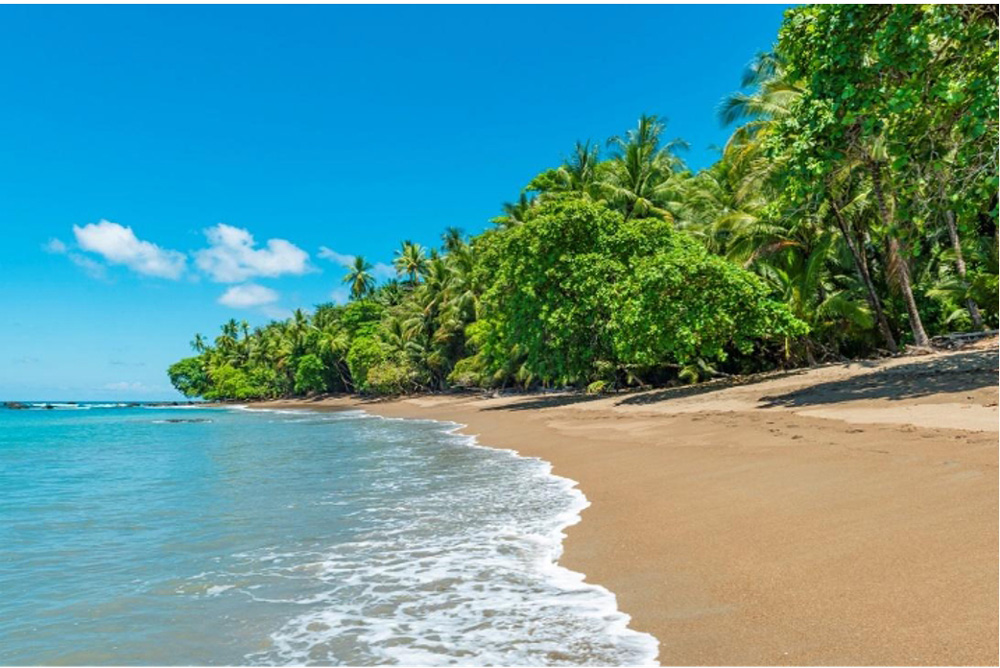
On one side of your home, tall mountains rise, covered in a thousand shades of green and crisscrossed with idyllic walking trails.
In front is a panoramic vista of verdant jungle and then the deep blue Pacific. At sunset, the sky is painted in amber, vermillion, and fuchsia.
Thanks to its awe-inspiring natural beauty, it’s been compared to Hawaii or Tahiti.
Like the Gold Coast to the north, this region has undergone a remarkable transformation.
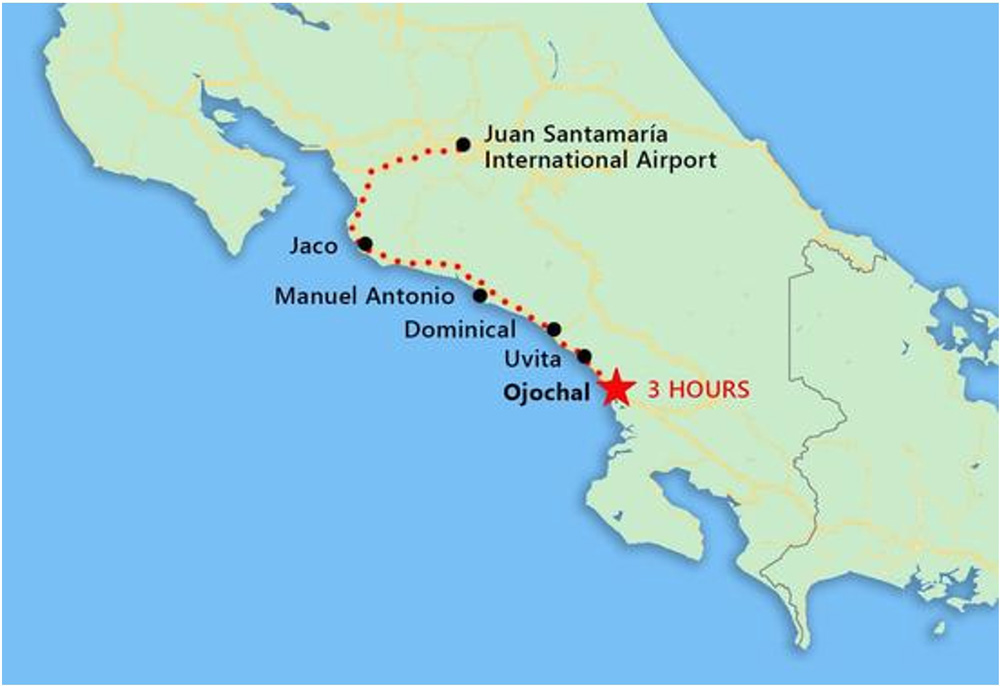
Once remote and difficult to access, the Southern Zone is now remarkably easy to reach—just a three-hour drive from the main international airport in San José, thanks to a coastal road that opened in 2010. It connected with new highways leading out from the capital, San José. It was a game-changer for the Southern Zone. The new road cut the drive time from San José to three hours from as much as eight.
With access opened up, getting to what is easily one of the world’s most beautiful places was suddenly much easier. That doesn’t mean it became overexposed or overdeveloped.
Since so much of the Southern Zone is protected land: forested national parks, marine reserve, wildlife refuges, it will always be a boutique, low-key region. No mass-market resorts or condo towers on the beach here—think small boutique hotels and eco-lodges.
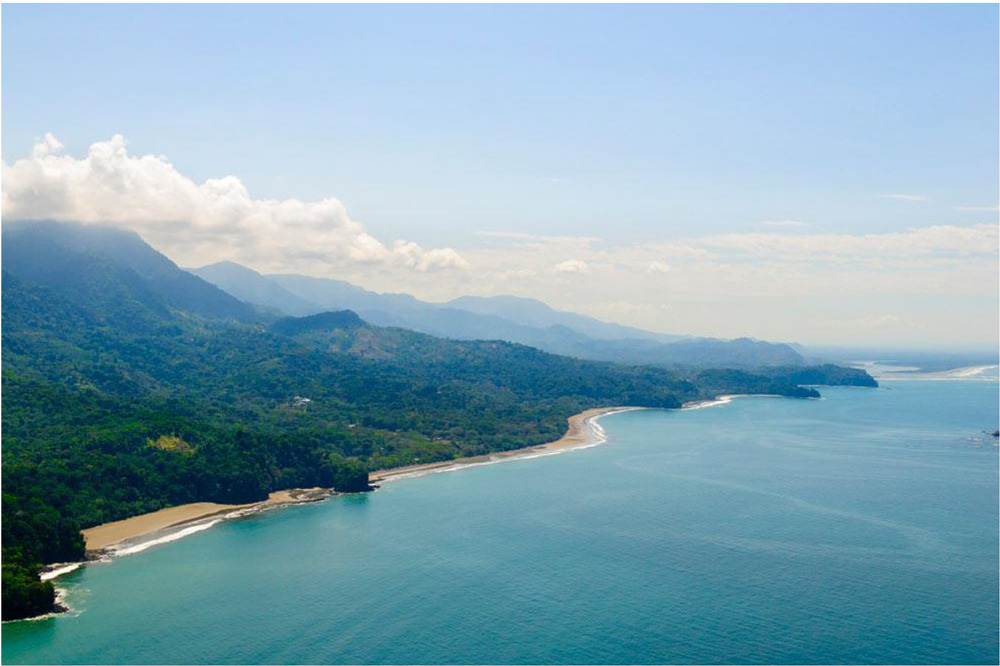
At the heart of the Southern Zone is the little jungle village of Ojochal.
Once a remote outpost, Ojochal became more accessible after the new highway cut travel time from San José. That opened the door for more people to discover its charm.
Today you’ll roll along a tarmacked road past sleek modern buildings and a couple of busy little commercial plazas. You can visit the farmers’ market. There’s a pharmacy, bakery, cafés, stores, bars…everything a visitor wants is a walk away.
Walking along the dirt roads that snake around the community under the jungle canopy and farm fields, Ojochal has the feel of a small European countryside village—surrounded by some of the most pristine rainforest in Central America. And that’s not just because of the authentic French bakeries in the heart of town…
It has a strong community feel where everybody knows everybody. You can walk among little shops, open-air restaurants, markets selling fresh fruit and veg—tables piled high with mango, papaya, and pineapple grown locally, and roadside stands and fish markets where you can buy fresh red snapper for a fraction of what you would pay in the U.S.
You’re definitely not roughing it in Ojochal. Gourmet shops. Spa treatments. A hospital in the city of Cortes to the south, as well as large supermarkets, hardware stores, banks, and other essential services to the north about 30 minutes in the small town of Uvita. And, of course, the international airport, thanks to the highway, is just three hours away.
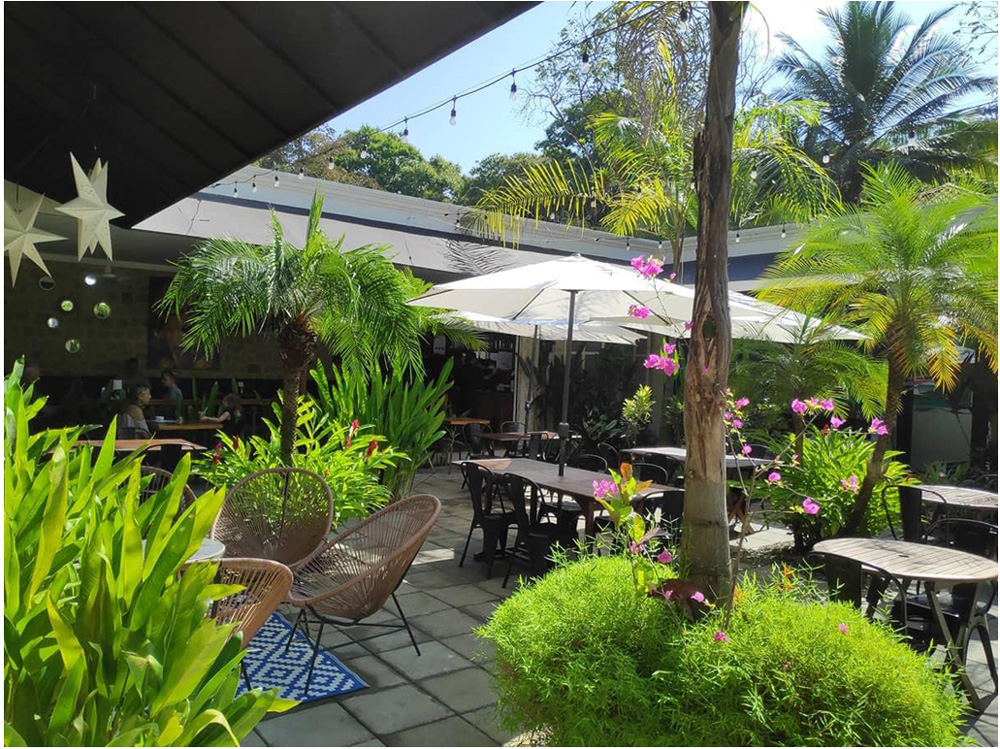
Lake Arenal
Costa Rica’s Arenal region has been drawing eco-minded travelers in search of opportunities for wildlife watching, hot springs, jungle hiking, water sports, and other activities for decades.
But it’s also become much more than a tourist destination, attracting an increasing number of expats interested in making permanent homes here. They are drawn here by the peace and serenity. No traffic. No crowds. Just a small village atmosphere.

The area is dominated by the 33-square-mile Lake Arenal.
Also, looming above the landscape at the east end of the lake is the 5,479-foot Volcan Arenal, a cone-shaped volcano that is active but currently dormant. (A side benefit from the volcanic activity is that thermal hot springs abound in the area. The mineral-rich waters, naturally heated to upwards of 100 F, are said to have medicinal properties.)
It must be noted that, while development in this area has increased, it is far from overdeveloped or overrun. The character of the area remains rural and quiet; the pace of life is slow. And all the factors that make Arenal so popular with visitors and long-term residents alike remain in place.
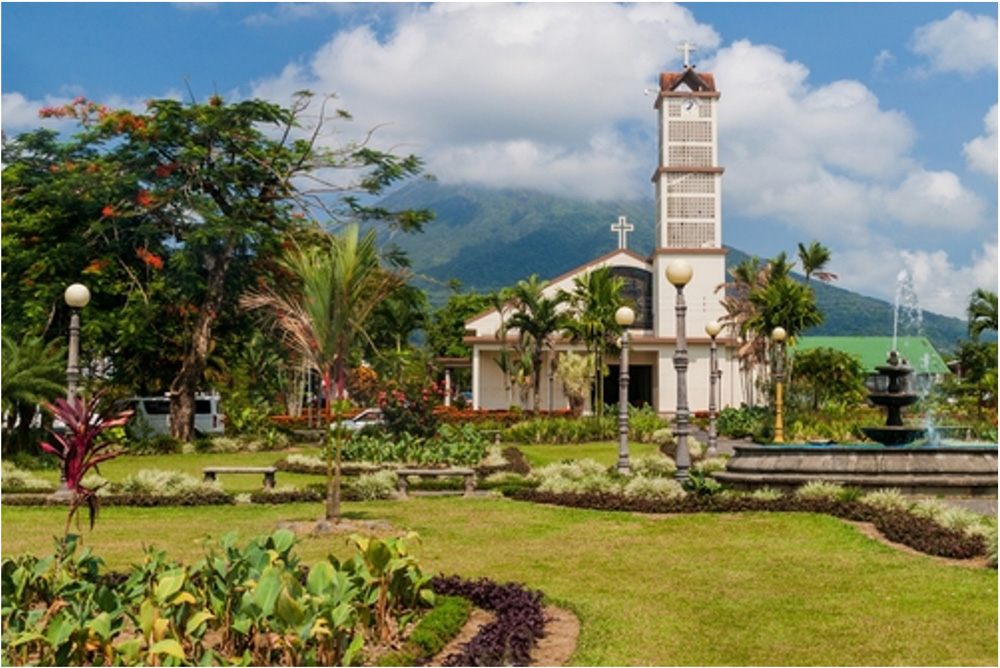
Central Valley
Expats have been flocking to Costa Rica’s Central Valley for decades, and it’s not hard to see why. The spring-like climate, central location, and ready-made expat community are just a few of the reasons more and more expats are deciding to make the Central Valley their overseas destination. The climate is perfect, the Valley’s altitude of 3,000 to 5,000 feet makes it comfortable all year round, and it has a climate that’s like few others in the world. Daytime highs are usually in the 70s F or low 80s F, and lows at night are typically in the 60s F. Few residents see a need for central heating or air conditioning.
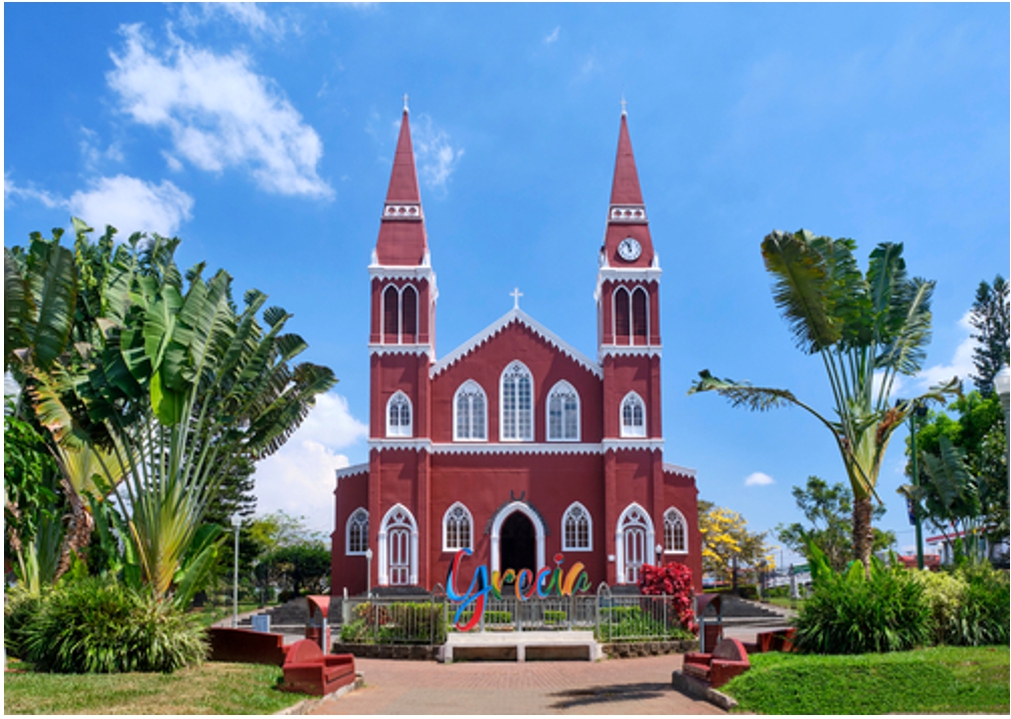
Like the name would suggest, the Central Valley is central. You can be in San José, the country’s capital, and its suburbs within an hour to an hour-and-a-half at most from just about anywhere in the Valley.
There you’ll find the best shopping in the country, including North American-style malls and warehouse shopping clubs, not to mention the country’s main international airport, government offices (for things like getting your residence visa), and world-class hospitals and clinics. It’s quite common for expats living in the Central Valley to pop to San José for shopping, dinner, and a movie. If you want to hit the beach, it’s an hour or so to the Pacific.
The Central Valley—home to about two-thirds of Costa Rica’s population—is also the place to find spectacular natural wonders, including volcanoes and rainforests.
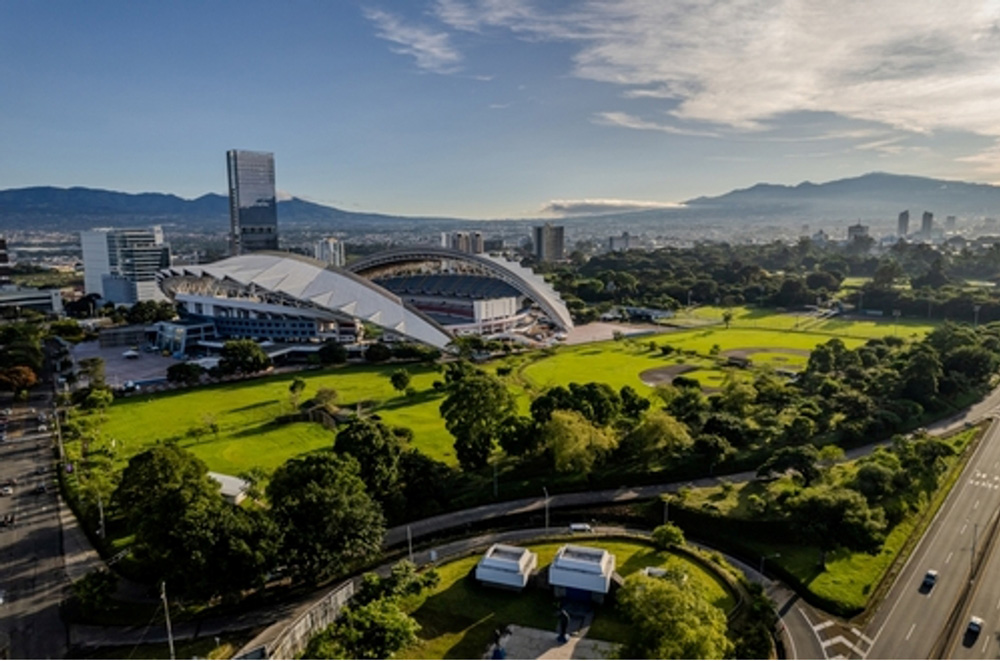
Central Pacific
The central Pacific coast is just an hour or so away from Costa Rica’s capital, which gives you the best of both worlds: a laidback beach lifestyle, with big city conveniences, medical care, and the international airport close by.
This region features lush rainforests full of wildlife like the scarlet macaw and capuchin monkeys, and bustling fun beach towns like Jaco and Manuel Antonio. Jaco is the largest and most developed of the bunch, with everything you need in town. It’s set on a large bay, with condo and hotel towers lining the beach.
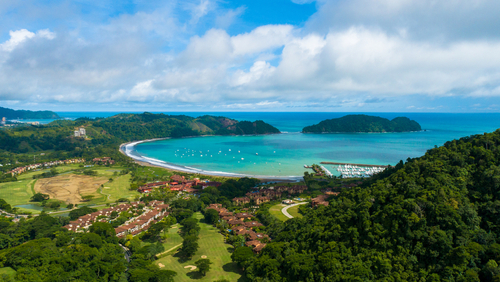
To the south, Manuel Antonio has nearly everything people come to Costa Rica to experience. The landscape, the wildlife, and the beaches are a microcosm of the best the country has to offer.
Costa Rica created its first national park here in 1972 to protect the rainforest and the animals, and to ensure that Costa Ricans had permanent access to its beaches and forests. Once that work was done, the decision was made to build the main road on the steep ridge running between the park and Quepos, the former banana shipping port.
Between 1973 and 2000, that ridge became populated with high-end hotels, shops, and restaurants that transformed the region and its economy. In recent years, medium-priced and backpacker hotels have opened, making the area affordable to most. The influx of progress hasn’t dampened the natural feel here, though; you can still have troops of monkeys charging across your roof, or large green iguanas lounging beside you at the pool.

In and around these hubs, there are several small seaside villages and long stretches of undeveloped coastline.
Like many coastal destinations in Costa Rica, life here is all about fun in the sun, watching sunset with a cold drink in hand, and your toes in the sand. Surfing and sport fishing are big here. But if you just want to relax in a lounger, with a steady stream of margaritas coming your way from the nearest beach bar…you’ll find plenty of spots for that too. It is hot and humid here, year-round, tempered somewhat by sea breezes.
Caribbean Coast
Costa Rica’s Caribbean coast has a unique history. Starting in the late 1800s, a wave of immigrants from Jamaica and Barbados settled on this stretch of coast to work on the railroad and in agriculture. They joined their countrymen who had come decades before, fishermen who had founded villages along this isolated stretch of coast, including Cahuita and Puerto Viejo.
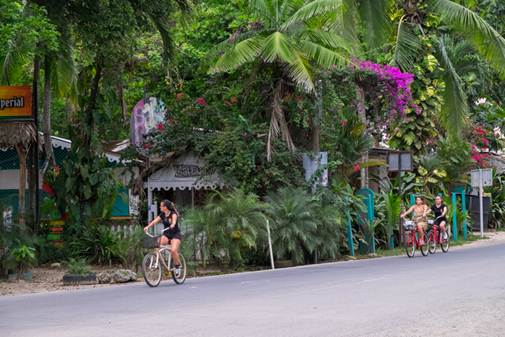
Their descendants today number about 100,000 (out of Costa Rica’s population of 5 million). While each generation has integrated more and more into the Costa Rican “Latin” society, they have retained distinct culture and customs.
English is commonly spoken, as is a creole dialect. And the music you hear coming out of beach bars is just as likely to be reggae as Latin.
The food is unique too. The rice and beans common in Costa Rica are cooked here with coconut milk, thyme, and spicy peppers. And a favorite dish is a coconut seafood stew called rondon. Every place has its own recipe. But the saying goes that the cook will put in anything they can “rundown,” which could be snapper or other fish, plantains, cassava…
This is the least developed region of the country, and the seaside village of Puerto Viejo is a favorite destination of, let’s say, bohemian travelers. It’s rustic. The roads are in bad shape. Internet and power cuts are still common. And medical care is quite limited.
But if you want to “drop out,” where you can get around everywhere by bike, visit multiple white- and golden-sand beaches undeveloped save for a few open-air beach bars, and live in a home set among pristine, wildlife-filled jungle, this could be your place.

The Caribbean coast is one of the most beautiful parts of Costa Rica. It’s a region that attracts many due to the pristine seaside jungle and bohemian and off-the-beaten-path feel. Great for a visit or even an extended stay.
However, buying and investing in property here is tricky. There can be title issues. And much of the land is covered in the large national parks and other protected areas along the coast that extend inland, including indigenous reserves. Plus, the restrictions on shoreline development that apply throughout the country have been spottily enforced here. Long story short, rigorous due diligence of a property’s history and legality is needed, or a property could be subject to issues in the future.
What Is Real Estate Trend Alert?
My name is Ronan McMahon. I’m an international real estate scout. My team of researchers and analysts and I spend a small fortune on research and travel as we search out the best real estate opportunities in some of the most appealing locations around the world. Some of our favorite spots on our beat are in Costa Rica.
Often, what we find and the deals we make pay off with potential investment opportunities that I share with members of my Real Estate Trend Alert (RETA) group (learn more about RETA here).
For years, I searched for a group like RETA. I wanted to join like-minded folks eager to pool our buying power and share in the best real estate deals around the world. I searched in vain. For there was no such group. So, in 2008, I founded my own.
To be a RETA member is to be first on the very best real estate deals in the world. First to get wind of a big transformation, a big trend, or major Path of Progress event, first to get in on the ground floor of that transformation…first to get in on a best-in-class real estate at off-market prices. (A Path of Progress is anything that improves the accessibility of a piece of real estate or makes it more desirable, say infrastructure like roads, bridges, or airports, or a 5-star resort in a place that previously only had hostels and budget hotels.)
The core strength of RETA is our group buying power. It’s by acting in unison with like-minded investors—fellow RETA members—that we get the incredible deals that we do.
Alone, I can’t bring much to the table when I negotiate with developers besides my charm. I might not even get into their office. With RETA members at my back though, I can bow developers to our will, craft insanely good terms and prices, and leave everyone a winner.
Over the years, RETA has developed a heavy-hitting reputation in the right circles. Our group buying power is highly respected and sought after. It’s how we get deals no one else gets, deals that even the most informed local real estate insiders can’t believe. And RETA members will continue to access our pipeline of incredible off-market deals from the world’s most desirable locations.
Our existing track record in Costa Rica’s most appealing destinations speaks for itself…
Take one of our RETA-only opportunities in the Southern Zone, near the charming jungle village of Ojochal.
Back in November 2018, RETA members were able to buy ocean-view lots surrounded by lush rainforest for a get-in RETA-only price of $92,000. Retail prices were 60% higher
There were also a handful of premium lots available for $147,980. A lot of similar size and view to what RETA members could buy is listed at $211,422 on the resale market right now. That’s a boost of more than $63,000.
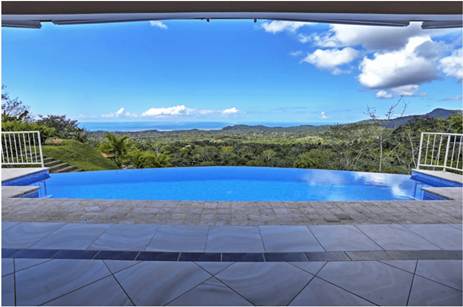
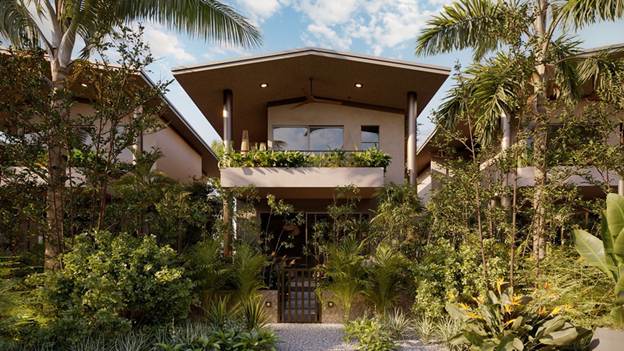
To the north, just outside the Guanacaste beach town of Playa Flamingo, I brought RETA members an off-market deal to own incredible luxury homes in a community with world-class amenities like pools, a co-working lounge, an indoor-outdoor gym, and more…all close to the new upscale marina and Playa Flamingo beach.
In March 2024, members could own two-bed homes here for RETA-only pricing from $286,800. We also had three-beds for $386,800 and in August 2025, a 3-bed home sold for $500,000…that’s an uplift of $113,200 in just 17 months.
Nobody I know does the kind of travel and first-hand research my team and I do.
Nobody I know has our contacts and ability to negotiate such incredible, off-market deals for members.
And nobody I know has RETA’s track record of being ahead as destinations experience major transformations.
Members of Real Estate Trend Alert are the only people who get all my research reports… the inside scoop and contact information for some of the top experts in real estate…and the hottest off-market opportunities from around the world.
What to Keep in Mind When Buying Real Estate
Costa Rica is home to countless expats who have bought property. If you’re dreaming of a place where you can escape for vacations with family and friends, a retreat where you can ride out the cold winters back home, or your goal is a second home that can deliver good returns, you’ll find it in Costa Rica, which has been welcoming expat homebuyers and real estate investors for decades.
Can Foreigners Get a Mortgage in Costa Rica?
As with many other countries around the world, it is difficult for foreigners to obtain loans in Costa Rica, including mortgages to purchase real estate. It’s easier for foreign buyers who live in Costa Rica and have a residence visa. However, some Costa Rican banks are actively seeking business from foreign buyers and are trying to make it as smooth and seamless as possible to apply and qualify for a mortgage. The terms and timeframe vary with each bank.
There are alternative forms of financing. With pre-construction developments, some developers will offer financing to buyers. With re-sales, some sellers are open to seller finance. Plus, you may be able to use equity in real estate you own back home to finance your overseas purchase.
Are There Any Restrictions for Foreigners Buying Costa Rican Real Estate?
In Costa Rica, foreigners are given the same real estate ownership rights as Costa Ricans. There are some other real estate laws unique to Costa Rica that you should be aware of before buying real estate.
First, only Costa Ricans can purchase land within two kilometers of a national border. Foreigners cannot buy in these zones. This really isn’t hard to comply with—the vast majority of expats do not settle this close to the border. However, there is another restriction that you should definitely have on your radar.
No one can own property within 50 meters (164 feet) of the ocean (to allow public access to beaches), and the next 150 meters (492 feet) is classed as a Restricted Zone.
There are exceptions to this—some parts of Jaco (on the central Pacific) and Golfito (in the Southern Zone), for example, have titled waterfront and beachfront land, but these are the exception rather than the rule.
Maritime Zone laws govern these 200 meters of beachfront. Nothing can be built in the 50 meters (164 feet) closest to the water, and development is only allowed on the next 150 meters (492 feet) through a government “concession.” This is like a lease…although buyer beware, it is not a secure form of leasehold that you may be used to back home…and there are restrictions on foreigners with these concession leases (it becomes easier if the foreigner has been resident in Costa Rica for more than five years).
You are normally only allowed to build tourist ventures (B&Bs, bars, for example) or temporary structures on concession land, not permanent residences. This means that anyone shopping for property should be doubly cautious about buying oceanfront real estate. Before entering a transaction, insist that your attorney verify that the title is good. Check with a trusted attorney in Costa Rica for details and for help with due diligence on coastal properties.
What Kind of Title Issues Could Occur When Buying Real Estate in Costa Rica?
Costa Rican law requires that all documents relating to an interest and/or title to property be registered in the property section of the National Registry. Most properties have a title registration number known as the folio real, and the records database can be searched with this number or by name index.
A National Registry report provides detailed information on the property, including the title holder’s name, boundary lines, tax appraisal, liens, mortgages, recorded easements, and other recorded instruments that would affect the title.
Since Costa Rica follows the doctrine of “first in time, first in right,” recorded instruments presented to the National Registry are prioritized according to the date and time they are recorded.
Basically, the rightful owner is whoever has the oldest title to a property. In some cases, a review of the National Registry record will not be enough to uncover all encumbrances.
Even if the seller has a title for the property, there could be someone out there with an older claim.
That is why the buyer needs to have his or her own attorney conduct an independent title search and investigation rather than rely on the seller’s attorney.
Closing Costs in Costa Rica
In Costa Rica, closing costs are traditionally paid by the buyer, while the seller pays the real estate commissions.
Closing costs in Costa Rica tend to be higher than in the United States or Canada. However, annual property taxes are much lower, ranging from 0.25% to 0.55% according to the value of the property.
Closing costs involve the following:
- Transfer taxes (paid to the government).
- Notary fees, documentary stamps, and legal fees.
- VAT/IVA costs.
How Much is the Real Estate Transfer Tax in Costa Rica?
The government collects a property transfer tax (Impuesto de Traspaso), equal to 1.5% of the registered value of the property. The National Registry will not record a transfer deed unless the transfer taxes and documentary stamps have been paid.
What are the Notary Fees in Costa Rica?
The notary who drafts the contract for sale, carries out the real estate closing, and records the property title transfer is entitled by law to a fee based on a percentage of the value of the transaction.
The rates work on a sliding scale and are as follows:
- Up to 10,000,000 colones is a 2% fee.
- 10,000,001 to 15,000,000 is an additional 1.5% fee.
- 15,000,001 to 30,000,000 is an additional 1.25% fee.
- 30,000,001 and above is an additional 1.00% fee.
How Much VAT is Added to Costa Rica Real Estate Purchases?
A 13% VAT is added to all legal fees when buying real estate in Costa Rica. VAT is known in Costa Rica as IVA, and is added to all services in Costa Rica, not only real estate. The VAT/IVA is paid directly to the government.
How are Property Taxes Calculated in Costa Rica?
The cost of all property taxes is calculated as a percentage of the property’s value.
The value of the tax is 0.25% of the purchase price of your property, or the value assigned by the National Registry.
As an owner, you are responsible for having your home’s value assessed every five years. Failure to do this could result in a penalty.
For properties that are valued at 145 million colones or more (about $290,000 at the exchange rate at the time of writing), a luxury property tax must be paid. The tax rate is on a sliding scale, ranging from 0.25% to 0.55%. This tax is in addition to the annual property tax of 0.25% and equates to roughly $250 to $500 per $100,000 of your declared property value.
Safety and Security
Costa Rica consistently ranks in the top five countries in the International Living Retirement Index, and it’s no surprise why. The country’s allure entices many people because of its long-established democracy, stable political scene, pristine natural environment, friendly Ticos, and easy access to U.S. airports.
The easy-going pura vida vibe offers the opportunity to slow down and enjoy the good life, which for many here includes spending time outdoors, relishing the beauty of nature, and sharing in community with locals and other expats.
Costa Rica abolished their military in 1948 and pledged that budget to education and healthcare, which has resulted in the country becoming one region’s success stories in terms of development, the economy, and foreign investment. It is overall a peace-loving nation and is often referred to as the “Switzerland of Central America.” Many expats report that they feel safer in Costa Rica than they do back in the U.S.
The general population is “tranquilo,” embracing the Pura Vida lifestyle on many levels. Also, gun laws are strict. In fact, foreigners cannot legally own guns until they have acquired permanent residency status, which takes four years or longer. Like in many places around the world, there is petty theft, especially in tourist areas.
Since many places expats settle have a small-town feel, you will find neighbors look out for neighbors and take care of one another. Many developments are gated and have a guard at the entrance. This does not mean it is a dangerous neighborhood, it is just the way communities are set up in Costa Rica.
It is safe to walk around after dark, but as always, it is recommended to avoid being alone or in dark areas. Like everywhere in the world, it is best not to wear expensive jewelry or flash large amounts of cash. And never leave anything of value within view inside your parked car or by your towel at the beach while you go swimming.

Costa Rica’s High Quality, Affordable Healthcare
Costa Rica offers high-quality, low-cost healthcare. There are two systems: private, for which you can pay cash or use insurance, and the government-run public system (Caja Costarricense de Seguro Social [CCSS], known as Caja) which you join when you become a legal resident.
Healthcare costs are about a third to a fifth of what you’d pay in the U.S., depending on the treatment. Many doctors, especially in private practice, speak English and have received training in Europe, Canada, or the U.S. Prescription drugs are also less expensive. And many drugs which require a prescription in North America are available for purchase over the counter in Costa Rica.
Private healthcare is also available, which is affordable and of high quality. There are private hospitals and clinics throughout the country, with the best facilities in and around the capital, San José.
In this private system, you can pay cash out-of-pocket or use insurance, including some policies from the U.S. and Europe, international policies, and insurance from Costa Rican companies.
Health insurance from the Costa Rican government monopoly Instituto de Seguro Nacional (INS), for example, is available to legal residents, affiliated with doctors, hospitals, labs, and pharmacies in the private sector. Familiar names such as Blue Cross/Blue Shield, BMI/Aetna, and Cigna also offer private policies in Costa Rica.
Even if you pay cash, the costs are low. Doctors, for instance, rarely charge more than $65 to $85 a visit, even for house calls. And visits to see a specialist, of which there are many in the country, will run you $90 to $110. Tests like ultrasounds are $75. And even major surgeries are half to a quarter of what they’d be in the U.S.
While private healthcare in Costa Rica is more expensive than that offered by the same doctors and surgeons through the public Caja system, the price is still far below that of the average office visit in the U.S. Cost for continued treatments for diagnosed problems will vary, but will almost always be considerably less than comparable treatment in the U.S. Dental work, too, is provided at a much lower cost than in the U.S.
Many expats elect to use a mix of public and private care due to the wait times for certain procedures and treatments in the public system. For example, if a Caja doctor requests an ultrasound but the Caja testing facility has a wait time of a couple of weeks, the patient can get the test done at a private clinic and bring the results back to the Caja doctor. And, many private doctors who also work in the public system can write prescriptions for Caja pharmacies so there’s no cost to the patient.
Visas and Residence Options
There are a number of different visas and residency permits to fit your individual situation and needs, and it’s important to know which is right for you. And, it’s important to note that you don’t need a visa or residency permit to buy real estate in Costa Rica.
U.S. and Canadian citizens do not need an entry visa. However, their tourist visits are limited to 180 days. On arrival, they must show a return ticket or proof of onward travel to another country and proof of funds of at least US$100 per month for their proposed visit.
Costa Rica also offers a Digital Nomad visa. It’s valid for 12 months and can be extended for another year as long as you’ve stayed at least six months in the country during your first year. You must have foreign employment or clients providing a minimum monthly income of $3,000. If you have family members with you, the requirement is $4,000.
Long-Term Visas
There are three popular ways to apply for temporary residency in Costa Rica. All are valid for two years and are renewable as long as you continue to qualify:
- Pensionado residency for retirees requires proof of a minimum monthly income of $1,000 from a retirement fund or permanent pension source.
- Rentista residency requires a $60,000 deposit in a local or foreign bank and a $2,500 monthly transfer into a Costa Rican account over two years. After 24 months, you must deposit another $60,000 to restart the process.
- Inversionista residency requires a one-time investment of $150,000 in real estate, stocks, bonds, or another opportunity.
Temporary residents cannot work in the country. They can own a business, but they must hire employees to do the actual labor.
After being a legal temporary resident for three years, you can apply for permanent residency. The permanent resident permit must be renewed every five years. Permanent residents can legally work in the country.
Citizenship
Citizenship by naturalization is available to foreign nationals who’ve lived in the country for at least seven years. Costa Rica doesn’t “officially” accept dual citizenship. Foreigners who become naturalized Costa Ricans must sign a statement renouncing their original citizenship. The office of Options and Naturalizations keeps these statements on file, but does not forward them to foreign embassies, nor do they check on what new citizens do about their original status. This has led to a widespread “don’t ask, don’t tell” approach to dual citizenship.
Insider Tips for Living in Costa Rica
Costa Rica is a thoroughly modern country. But as with any place, there are still different customs and ways of doing things you need to get used to if you make it your home. Here are some tips to help you make your way around as expat, especially in the early days.
Embrace Pura Vida
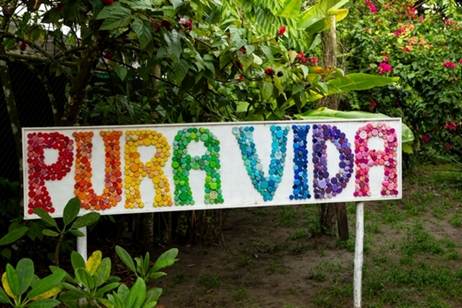
There is a national motto that sort of sums up the attitude of a typical local in Costa Rica: Pura Vida.
It translates directly to Pure Life, but it means so much more than that. It’s more like: Life is Good.
It’s a phrase used in everyday conversation. It can mean hello, goodbye… if someone asks how you are doing, you can say “Pura Vida!”
Costa Ricans have a zest for life. They work to live, not live to work. They focus on family and community – those things come first. They work hard… but enjoy their time off too. It’s a laidback attitude that rubs off on expats too.
There is a flipside to all this…
Pura Vida can also result in a lack of urgency to get things done. Appointments might be missed without notice, repairmen might not show up, or documents might take a long time to be processed.
As an expat, you would be expected to adjust. You don’t have to let people take advantage of you…But you will have to be patient.
Language Barriers
Many expats living in Costa Rica don’t speak Spanish and get by just fine, especially those in tourist areas. The amount of Spanish you hear depends on where you live in Costa Rica.
For example, living in popular beach areas of the Pacific coast, you can find yourself in an “English bubble” due to the high number of tourists and English-speaking expats in the area. Living in the Central Valley means more opportunities to immerse yourself in Spanish.
Finding a Rental
When you’re looking for your perfect spot in Costa Rica, you might decide to rent a place for six months or a year.
Expat Facebook groups are an excellent resource for looking for places to live. Join various groups, especially those focusing on your favorite parts of the country. Ask questions and get to know people so you have some contacts during your scouting trip. Talking with people about their experiences is always a good idea.
Many expats rent an Airbnb in areas they are interested in to get real-life experience. Then, they are on the ground to find more permanent rental opportunities. Keep in mind that other sources of long-term rentals include real estate agencies and property managers. They may even have listings on their websites.
Banking
To open a bank account, you’ll need your passport, residence visa, proof showing the source of your income, and a reference letter from someone who banks there or knows you in a commercial capacity, such as your attorney or landlord.
However, each bank has its requirements, so find out what you need according to the bank you choose. Some non-residents can only open an account if they have a corporation.
Banking in Costa Rica is often a practice of patience. Depositing money into your account could take an hour or two. These long waits help you appreciate those rare days when you get in and out quickly. Bring a book, tablet, or something else to keep yourself occupied.
Many bank employees do not speak English. So if you have a complicated transaction, bring a translator or friend who speaks Spanish to help.