It was pitched as a “city of the future”…a brand-new, technology-driven $100 billion mega-city with space for 700,000 residents—all within easy commuting distance of Singapore.
Instead, it became one of the world’s most infamous failed “ghost cities.”
I visited Forest City during its early days, at the height of the buying frenzy. But behind the futuristic promises and glossy models, I saw reasons for concern.
As it turned out, they were justified…
Today, real estate there can reportedly be bought for around 30 cents on the dollar. But even that doesn’t make it a bargain.
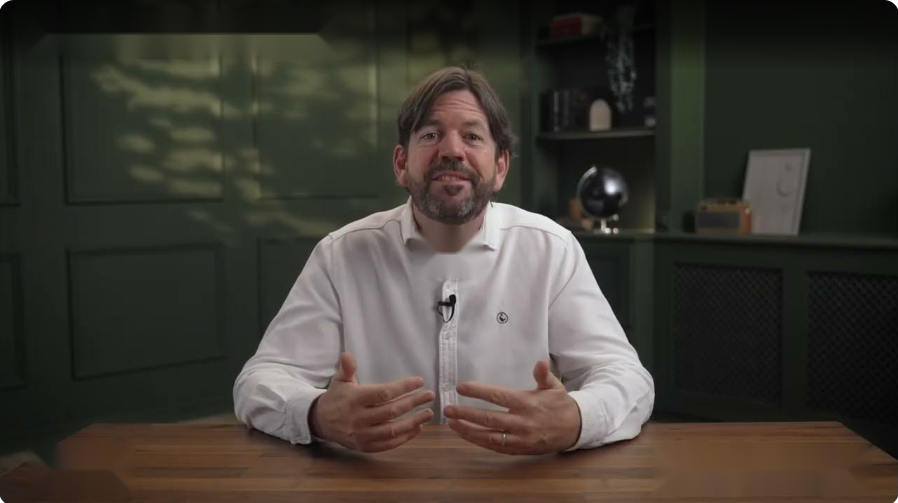
At 4 p.m. ET today, I’m going to premiere a new video on my YouTube channel all about Forest City. Alongside my Editorial Director Ciaran Madden, I’ll discuss what I saw when I scouted it…why it failed…and the lessons it teaches us about how and where to invest overseas today.
Click below at 4 p.m. ET to watch the premiere.
Ciaran and I will also be in the comments answering your questions live…
I visited Forest City at the height of the buying frenzy around this mega-city project. At 4 p.m. ET, I’m premiering a new video on my YouTube channel discussing everything I saw and why this futuristic city failed so spectacularly. Click to view…
If you aren’t familiar with Forest City, let me share a little background…
I scouted it in 2019 during an extended scouting trip through Southeast Asia. I was picked up in the heart of Singapore and, within about 40 minutes, I’d crossed an international border and arrived at Forest City in Malaysia.
The first thing that struck me was the sheer scale. It was undoubtedly the biggest construction site I’d ever seen.
There were perhaps 40 or 50 giant towers going up at the same time…man-made beaches…shopping areas…hotels…and enormous waterfront amenities.
Then I walked into the sales center. Though calling it a “sales center” doesn’t really do it justice. It was more like a sports arena. There was an enormous model of the entire city…cinema rooms with giant screens…and slick presentations showing how technology would run almost every aspect of daily life.
Remember, this was 2019.
This was before everyone was talking about AI. Yet they were showing me a city where data would manage traffic…where roads could effectively be cleared for an ambulance if somebody suffered a heart attack…and where drones would appear in seconds to help find missing children…
I saw footage of launches in China where buyers were practically scrambling over one another to reserve condos.
This was peak speculation. And that was my first major concern.
Forest City wasn’t being driven by people who needed somewhere to live. It was overwhelmingly being driven by Chinese buyers looking for somewhere to put their money.
China’s domestic real estate market had soared. Investors were looking overseas. But that immediately introduced enormous risks.
What if China tightened the movement of money out of the country?
What if its property bubble burst?
What if immigration rules changed?
What if Malaysian politics turned against the project?
But there was an even bigger problem…
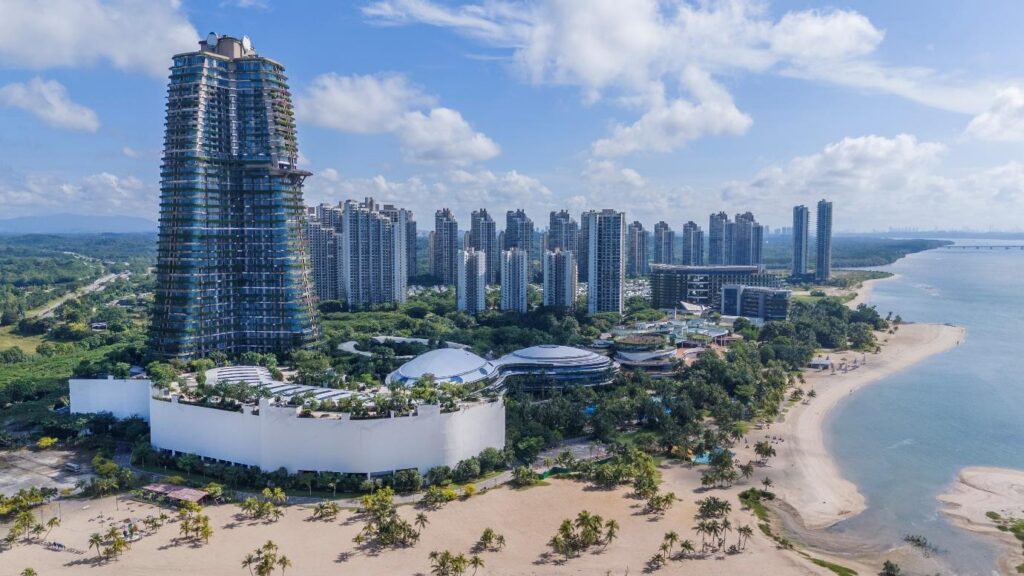
Forest City was designed to house 700,000 people. Today, estimates put its population at just 9,000. Click here to watch as Ciaran and I discuss how one of the world’s most ambitious mega-city projects ended up almost empty.
When I visited, the condos were being built. The golf course was there. The amenities were coming. But the things that were supposed to give hundreds of thousands of people a genuine reason to live there were still largely promises.
Universities…hospitals…international companies…major employers…
The buildings were going up before the underlying demand had been proven. And that distinction is absolutely critical.
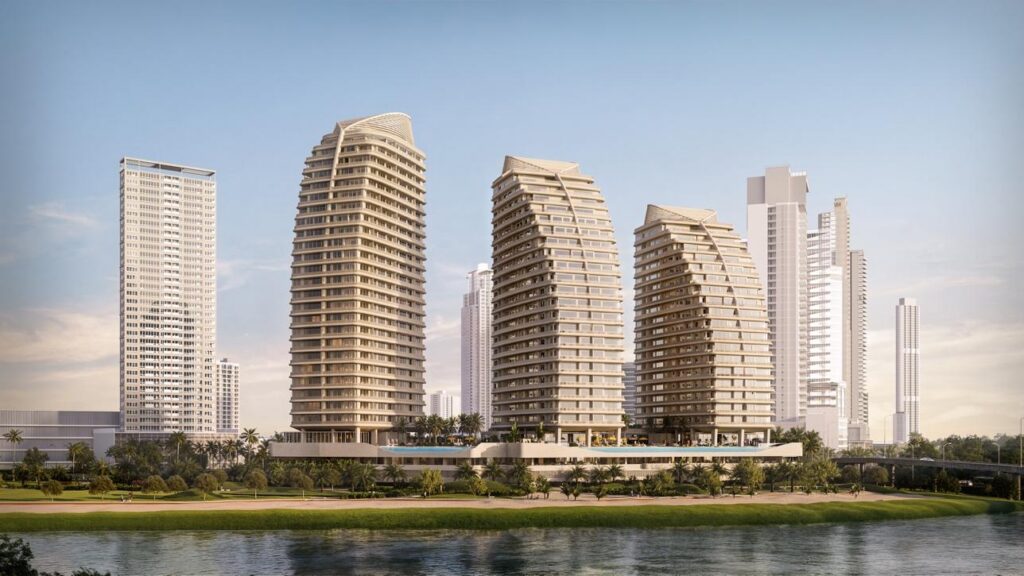
Compare Forest City with another master-planned mega-project—Costa del Este in Panama City.
Go back to the mid-1990s and Costa del Este was part-swamp, part-landfill. It was an environmental mess. But it sat immediately beside a growing international city, on the airport side of town.
It was master-planned as a new, fully integrated “city within a city”—designed to attract multinational companies and the international executives coming to Panama.
Costa del Este developed incrementally. Block by block. And crucially, that growth was fueled by real demand. Companies moved there. Law firms opened offices. International schools arrived. Restaurants and shops followed.
Today, Costa del Este is one of the most desirable addresses in Panama.
It has wide boulevards…leafy parks…corporate headquarters…high-end restaurants…luxury towers…and a large population of people who genuinely want and need to be there.
Both Forest City and Costa del Este were ambitious master-planned developments. The difference was real demand.
One had it. The other didn’t.
Today, I hear condos in Forest City can trade below $100 per square foot. That’s down from around $250 per square foot when I visited—and likely below what it would cost to build something similar today.
On paper, that sounds cheap. But as I explain in this video, I still wouldn’t invest any capital there. Click below at 4 p.m. ET to watch Ciaran and me unpack the whole thing…
In the video premiering at 4 p.m. ET today, I share a little footage of the sales center that I recorded during my 2019 scouting trip. If you have any thoughts or questions, make sure to join me in the comments. I’ll be in there chatting live.
Wishing you good real estate investing,

P.S. I’m heading back to Asia later this year for an extended scouting trip to Okinawa, Japan, and I plan to spend several days in China along the way. Make sure to subscribe to my channel here and turn on notifications so you don’t miss what I find.