In March, I’m putting boots on the ground in Japan…
This trip has been a long time coming. I got married to my wife Sayuri in November 2019. The paternal side of her family is of Japanese-Mexican heritage and we’d planned to go on our honeymoon to Japan in May 2020. Then COVID put an end to those plans.
But next month, it’s happening.
I’ll be getting off the beaten track when I get to Japan. And I’ll also be carving out time to hunt for real estate.
Before my trip, I’ve been doing some preliminary research, which is how this Instagram reel popped up in my feed.
It shows a detached single-family house in Chiba, Japan. On a quiet street, you see a neat and tidy home with a traditional entrance and wooden floors. It’s just one hour from Tokyo.
The house, spanning 1,130 square feet, has two bathrooms and comes with a parking garage. There’s also an outdoor area—spacious by Japanese standards—where a yuzu tree grows.
Then comes the shocker. The price for this property was so low it barely feels real. An American couple bought it for ¥12.3 million (about $80,000).
You might be asking yourself: Is this price for real?
The answer is yes.
Today, I want to share why…
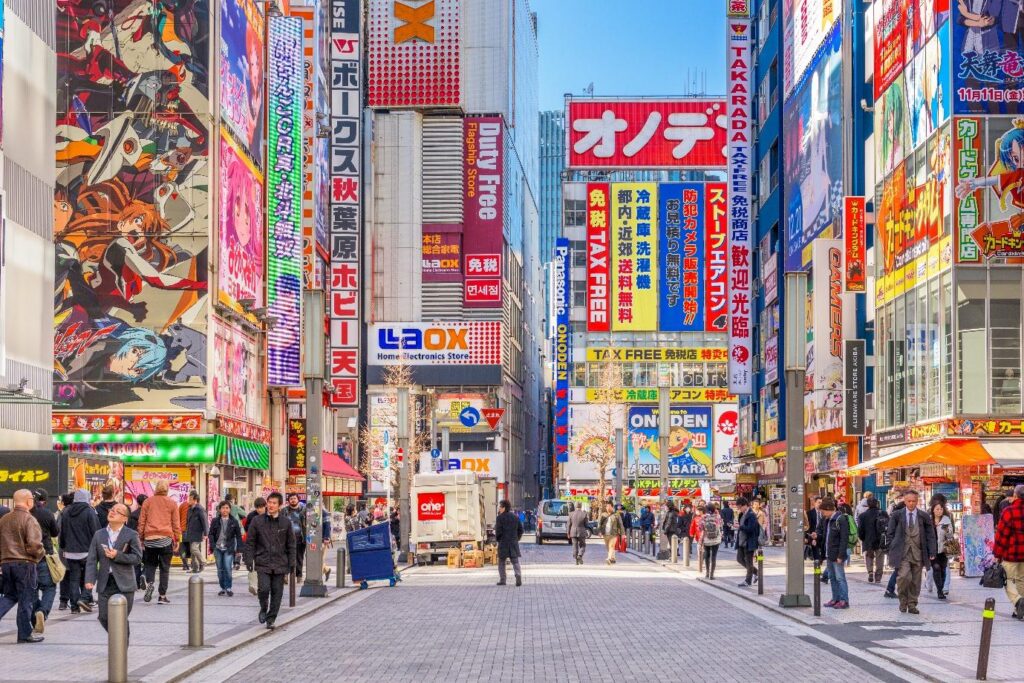
Tokyo: the world’s largest city and one of its most dynamic—yet within an hour of its center, detached homes can sell for prices that can surprise international buyers.
Why Homes in Japan Can Be So Cheap
Homes in Japan can sell for surprisingly small sums. And there are good reasons for that.
Unlike my home country of Ireland and so many other destinations, Japan doesn’t have a housing shortage. In many areas, it has the opposite problem.
Large parts of the country are dealing with population decline, aging communities, and decades of internal migration to major cities. Entire villages have slowly hollowed out. Schools have closed. Shops have followed. And the houses remain.
Millions of them.
These empty homes are known as akiya, and they’re a defining feature of Japan’s property market outside the big urban centres. But demographics are only part of the story.
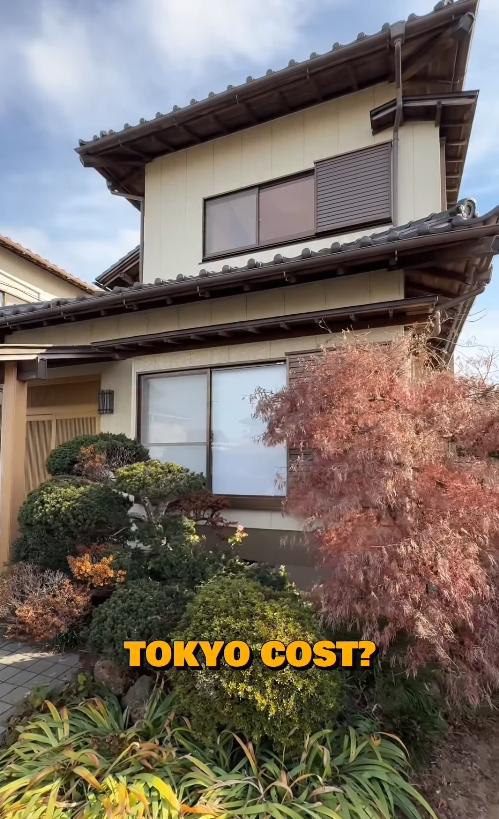
You can find houses like this within an hour of Tokyo for $80,000. You can watch the reel about this property here.
There’s also something else at work: the way Japanese culture views houses themselves.
In much of the Western world, a house is expected to last generations. Owners renovate, extend, preserve. The structure is the asset.
In Japan, traditionally it’s the land that holds value—not the building on it. The market often treats houses like appliances: something you replace, not preserve. For decades, Japanese houses have been designed with a relatively short lifespan in mind.
In many cases, inherited homes come with costs, taxes, and maintenance obligations—so for heirs, they can feel more like a burden than a windfall. That’s how you end up with houses selling for prices that look absurd to outside eyes.
To give a sense of what these prices look like in practice, here are two more examples from Chiba, just outside Tokyo.
This four-bed, two-story home spanning 1,154 square feet is nestled on a corner and surrounded by shrubs and trees. It has been renovated twice in the last decade. It’s on the market for ¥14,800,000 ($96,500).
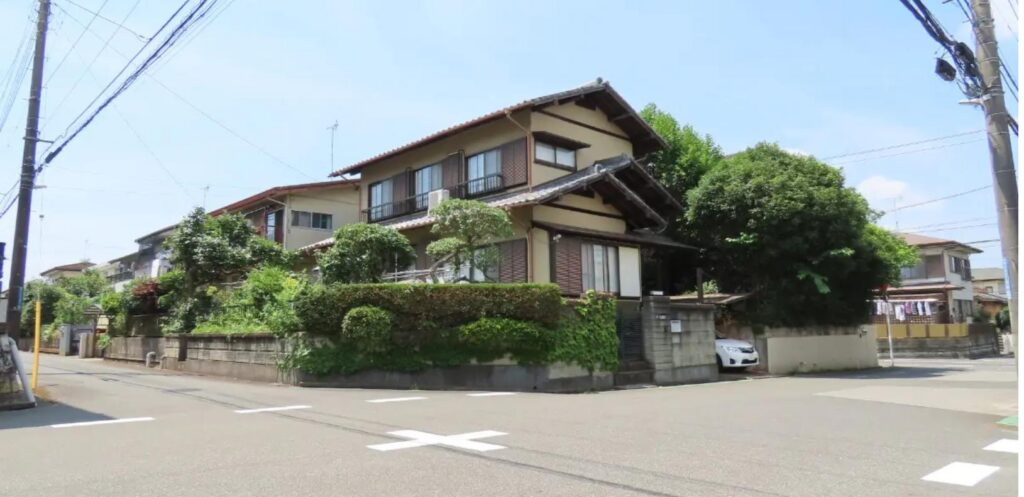
This move-in-ready housewas renovated in 2015 and 2019. You can own it for $96,500.
And here’s another one…
It’s a newly renovated detached house with a parking space. The four-bed, 1.5-bath house spans 1,096 square feet, and is located about 40 minutes from Narita Airport and less than an hour from Tokyo. It’s on the market for ¥18,900,000 ($123,300).
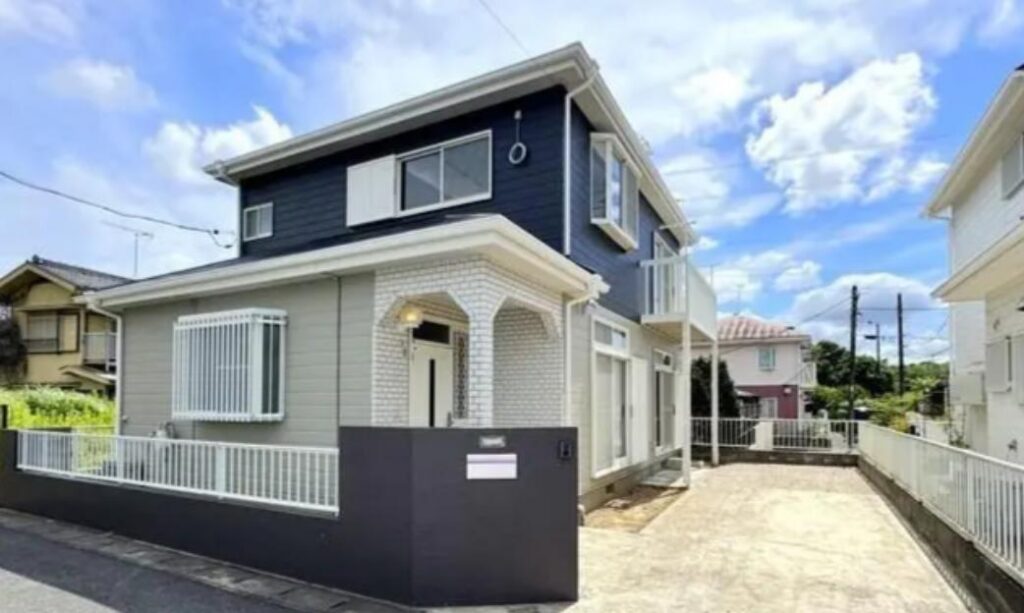
This house in Chibais an example of how far your money can stretch just outside Tokyo.
So, you can own in Japan for shockingly small amounts. But are these homes a good deal? I’m about to find out.
I’ll have boots on the ground in Japan soon. I’m looking forward to spending time there and sharing what I learn along the way.
Stay tuned…
Wishing you good real estate investing,

P.S. Have you bought a house in Japan? Or considered it? Let me know your experience. I’d love to hear about it. You can drop me a line here.