I’ve been scouting South America for decades—Argentina, Brazil, Uruguay, Colombia, Ecuador…
One country, however, had remained a blank space on my map: Paraguay.
I put boots on the ground in its capital, Asunción, last December. And after meeting developers, touring projects, and walking neighborhoods, I knew I wanted to buy there.
It took four months to find the right deal to bring to my Real Estate Trend Alert (RETA) group. But now it’s here, and I’m in.
On Wednesday, April 29 at 1 p.m. ET, I’ll open the exclusive, RETA-only deal there.
Asunción today has that same early stage feel of the momentous opportunities presented to real estate investors in Ireland in the 1990s and Panama in the mid-2000s. Momentum is building but real estate pricing has not yet converged with this reality. When perception catches up, I expect current prices will be a hard-to-believe memory.
Today, how this pattern of transformation played out in Dublin and Panama City…and why that makes me so eager to buy in Asunción…
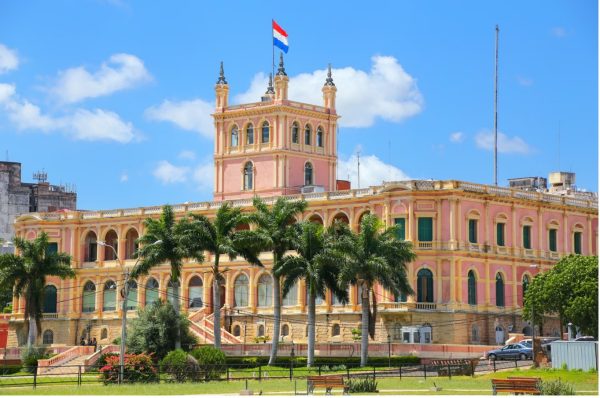
The presidential office is Asunción is one of the most prominent structures in Paraguay’s capital. I put boots on the ground here at the end of last year…and found a safe, walkable and vibrant city on the rise.
The Ireland of my youth in the 1970s and ’80s was economically stagnant. Opportunities were limited. Emigration was a rite of passage. One of the defining images of the era was of the long lines of young Irish men and women waiting outside the U.S. embassy in Dublin, hoping for visas and a way out.
When I began studying finance at University College Cork in 1993, it was assumed that graduates would emigrate. That was simply what you did.
But over the course of my degree, everything changed.
Beginning in the late 1980s, Ireland adopted a new economic model. Pro-business policies. Reduced corporate taxes. An aggressive push to attract foreign direct investment. Global tech and pharmaceutical firms arrived to take advantage and brought capital, jobs, and confidence with them.
It took a while for the effects to shake out. But by the time I graduated the country was in the throes of the Celtic Tiger. Population inflows surged. Wages rose. And real estate followed.
I began investing in my home country in my early 20s. Back then, you could buy almost anything in the right part of Dublin and it would soar in value. I did very well.
But what truly shaped me as an investor was watching how the best deals were done.
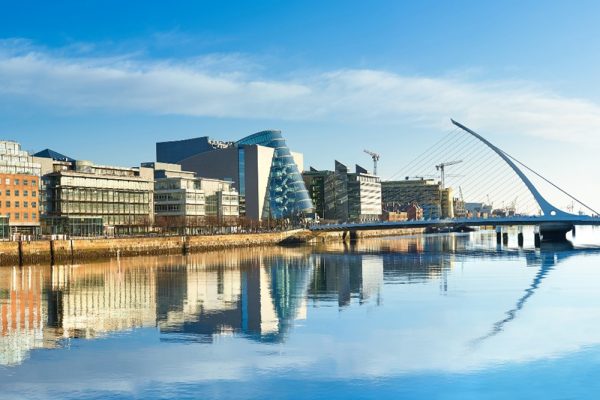
What I saw on the ground in Asunción in December was the same thing I saw in Dublin in the 1990s. A country with every structural piece in place and a capital city where the wealth was already starting to pool.
In Dublin’s hottest neighborhoods, the properties that made the real money rarely made it to the open market. They were snapped up before anyone else had a chance, by insiders with relationships, with intelligence, with access. By the time a deal appeared in an estate agent’s window, the upside had already been partially priced in.
That was the lesson I carried with me. Getting in early matters. But getting in with the right deal, at the right price, before the market catches on—that’s where the real wealth is made.
By the mid-2000s the Celtic Tiger was showing signs of overheating. Easy credit was distorting fundamentals. I started looking elsewhere for the same early-stage conditions I’d recognized in Ireland before the world caught on.
That search led me to Panama…
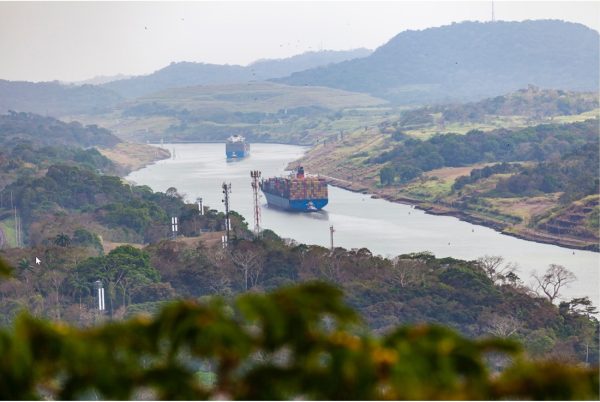
I first scouted Panama City in the mid-2000s just after the Canal was handed over, when the country was in the early stages of a transformation that continues to this day. Panama’s capital has tripled in size in the past decades, emerging as a true world city.
When I told friends and family I was investing in Panama in the mid-2000s, many thought I’d lost it. When they thought of Panama, they pictured a backwater known only for a canal. Panama was only ever in the news for the shenanigans of its president, Manuel Noriega — and when he was deposed in 1990, the world stopped paying attention.
But while nobody was watching, Panama was transforming.
The handover of the Canal in 1999 was the catalyst. What followed was furious economic growth. Panama invested heavily in infrastructure turning its airport into the Hub of the Americas, building the only metro system in Central America, and offering major tax incentives to any corporation willing to make the country its Latin American headquarters. Scores of global companies rushed in.
Today, Panama City is one of the wealthiest cities in the Americas, with the world’s 25th biggest skyline—beating out LA, Miami, and Beijing. Forty-five of its 50 tallest towers were built after 2000. The city has tripled in size since 1990. It has become modern, chic, cosmopolitan.
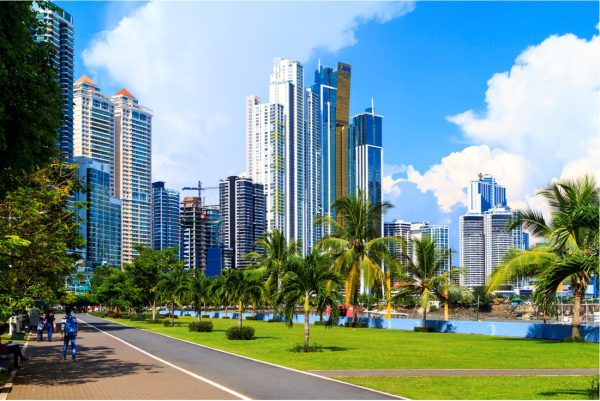
Panama City’s skyline was transformed in the early 2000s and those who were ahead of the transformation have been able to invest in incredible deals.
Walk its streets and you’ll pass trendy cafés, craft beer bars, fine-dining restaurants, designer boutiques, expansive shopping malls. All the hallmarks of a population with serious money in their pockets.
I could see where it was going in the early 2000s, not because I was clever, but because I went there. I walked the streets. Talked to locals, developers, and businessmen. Saw the energy of a young, upwardly mobile population that had no idea yet how wealthy their city was about to become.
I invested in a one-bed condo pre-construction in a prime Panama City location in 2005. When I sold a few years later, I’d pocketed $72,370 in gains.
That wasn’t an income play. It was a bet on the future of Panama. On the gap between where the city was and where it was clearly going.
It’s exactly the same gap I see in Asunción today.
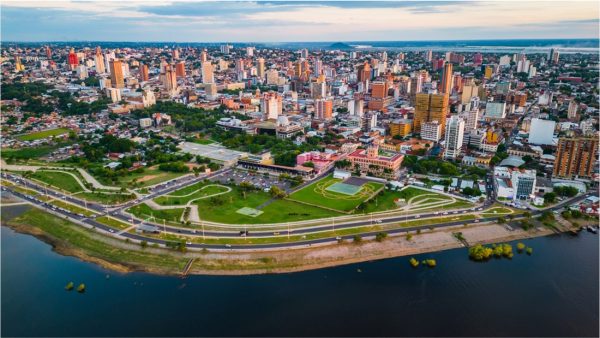
I’m buying in Asunción because I expect values to 3X within a decade, and I can earn income along the way. RETA members will be able to get in here from just $114,548.
Here is the common thread between Dublin and Panama City…
In each case, the fundamentals had already shifted before the market figured it out. And, the biggest gains were concentrated in prime neighborhoods of the capital.
In each case the windows closed, although in Panama we still have plays on the multi-decade transformation there.
But the early-in window is wide open in Asunción right now…
And Asunción doesn’t just have one or two advantages.
It has all of them…
It has vast supplies of clean, low-cost electricity in a world increasingly desperate for power.
It sits on some of the most productive farmland on the planet, exporting food to global markets.
It has one of the simplest and lowest tax regimes anywhere in the Americas.
And it has something most developed countries are starting to lose, a young population moving into its prime earning and spending years.
Put all that together and you have the kind of economic foundation that can drive growth for decades.
But to get the biggest bang for your buck, you need to choose the best addresses.
Tomorrow, I’ll reveal exactly where I see wealth accumulating in Asunción…
RETA members, make sure to read my full briefing on this opportunity when it drops at 1 p.m. ET today.
Wishing you good real estate investing,

P.S. When I put boots on the ground in Asunción last year, I was blown away by what I found. Click here to watch a video of my first impressions.