Greetings from Amsterdam…
Later today, I’ll return to Ireland, after a few days here. That follows two weeks scouting Panama and Uruguay.
Those two small, dynamic countries are home to some of the most exciting real estate opportunities on my global beat.
And walking through Amsterdam, I’m reminded of what a small country can achieve when it makes itself a place where the world wants to do business…
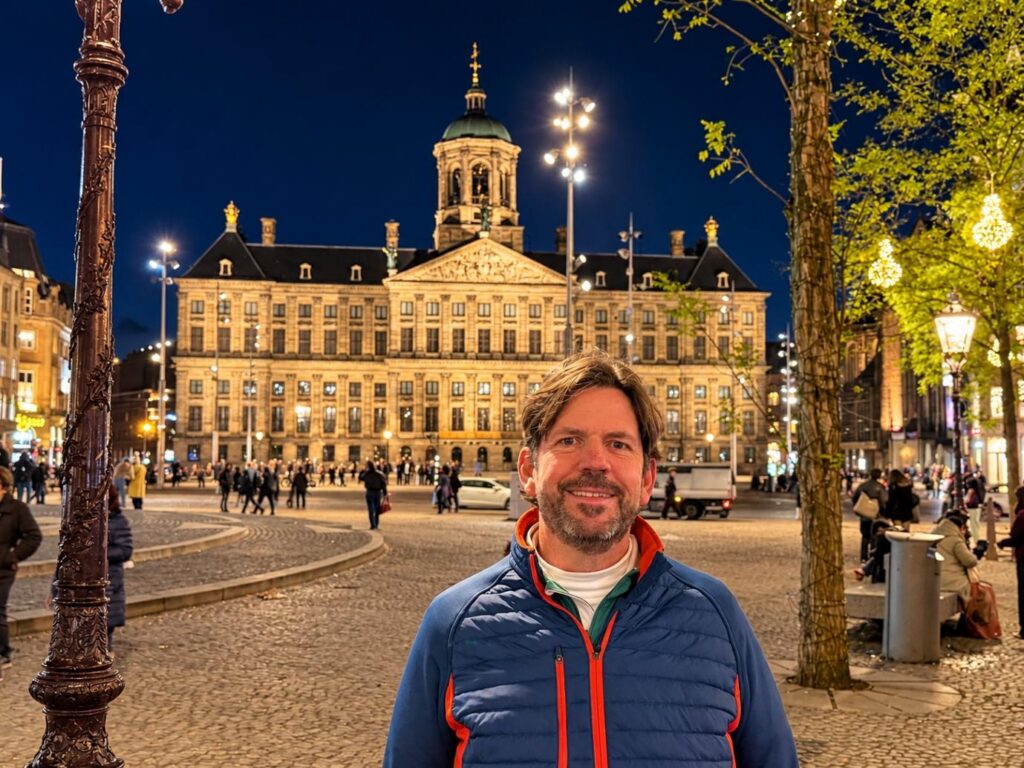
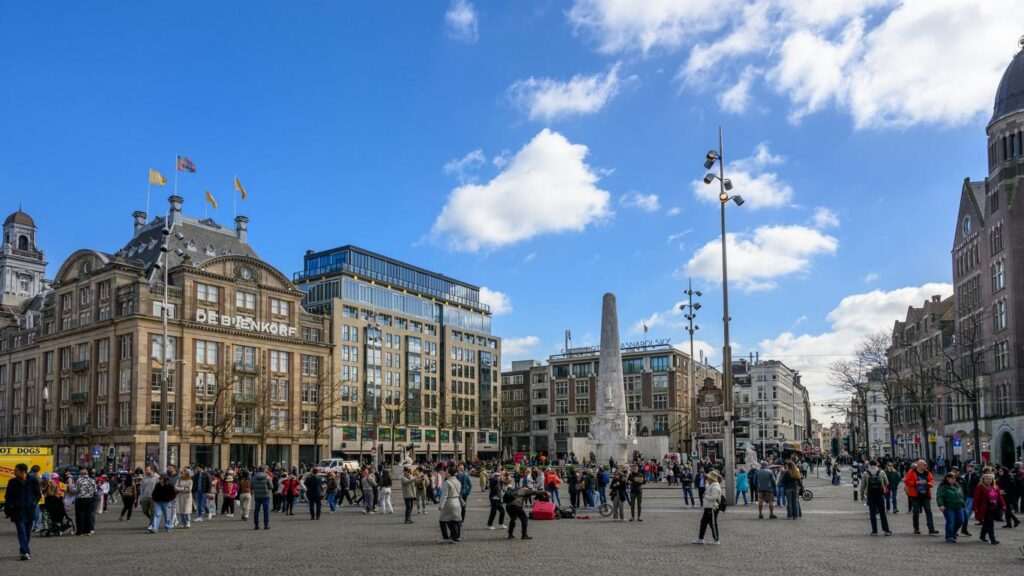
While here I took an evening stroll around Dam Square, where Amsterdam began. Back in the 1200s, locals dammed the Amstel River right where I’m strolling. Amstel-dam. The city literally takes its name from this spot.
Four centuries later, this square is where the world’s first stock exchange was born.
In the early 1600s, the Dutch East India Company was chartered, merging several rivals trading in Asia.
The company raised money from across Dutch society…everyone from rich merchants down to maids. Investors got a share of the profits from voyages, sometimes paid in pepper or nutmeg rather than cash.
Since investors couldn’t simply withdraw their stake, the only way out was to sell their shares. So people started trading them on the streets and bridges around Dam Square. Then in 1611, a purpose-built exchange was built a few steps from where I’m standing.
Within a few years, Amsterdam traders had worked out short selling, options and futures. Pretty much every trick on Wall Street today was first tried right here in the early 1600s.
It was the beginning of modern capitalism. And it brought a boom to this city.
The palace behind me was built in the 1650s as the city hall, a giant stone boast about how rich this place had become. Inside sat the Bank of Amsterdam, the most trusted in Europe. Next door was the stock exchange. Out in the harbor, a merchant fleet that ruled the world’s sea lanes.
This wealth has never really left…
The Netherlands remains a shipping giant, with Europe’s largest and busiest seaport at the Port of Rotterdam.
Schiphol in Amsterdam is the world’s fifth-busiest airport for international passengers.
And consider this…
Today, the Netherlands is the second-largest exporter of agricultural products in the world by value. Only the U.S. sells more.
Let that sink in. The U.S. has the Great Plains, California’s Central Valley, the Corn Belt…
The Netherlands is roughly the size of Maryland, much of it below sea level. But they poured money into research and learned how to grow tomatoes, peppers and flowers in vast high-tech greenhouses that squeeze astonishing yields out of every square foot.
No big land area. No natural advantages.
Just nimbleness, innovation, and a knack for making themselves the place where the world comes to do business.
That’s what was on my mind as I wandered Dam Square…because it’s exactly what I was seeing during my two weeks in Uruguay and Panama.
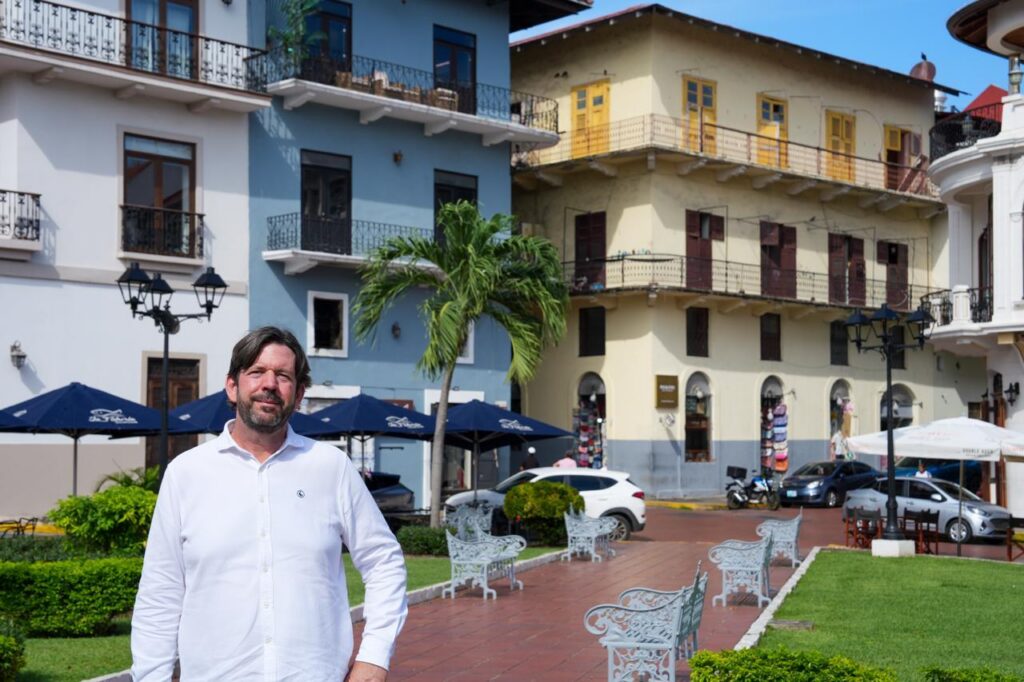
Take Panama…
Like the Netherlands, it has few natural riches. Its fundamental resource is its location: a thin strip of land where two continents and two oceans meet.
Geography on its own makes nobody rich. But Panama took that one advantage and multiplied it. It expanded the Panama Canal after taking control of it from the U.S. in 1999. It built the first metro in Central America. And it turned Tocumen airport into the Hub of the Americas.
Tocumen moved almost 21 million passengers last year…in a country with a population of less than 5 million.
It also developed smart incentives to attract multinational corporations.
Close to 200 global companies now run regional operations from Panama City. More than a dozen of them are Dutch, including household names like Heineken and Philips. The country that invented the stock market and built Rotterdam into the gateway of Europe knows a well-run trading hub when it sees one.
I first went to Panama in 2004. Most of today’s skyline wasn’t there. There was no metro. The Canal was still running through locks built for the previous century. But I could see it was innovating…moving forward. I bought a pre-construction condo when friends and family told me I was mad. I later sold it for a $72,000 profit.
Since then, Panama has gone through waves of discovery and expansion. More people. More infrastructure. More corporate offices. Panama has spent 25 years building the machine. Now the world is moving into it. Its economy grew 6.4% in the second quarter of this year.
My Real Estate Trend Alert (RETA) group has been getting in ahead…
This is my club for folk who understand the incredible potential of overseas real estate. Using the group buying power of all members, I negotiate exclusive off-market deals with terms and pricing with developers that ordinary investors never see.
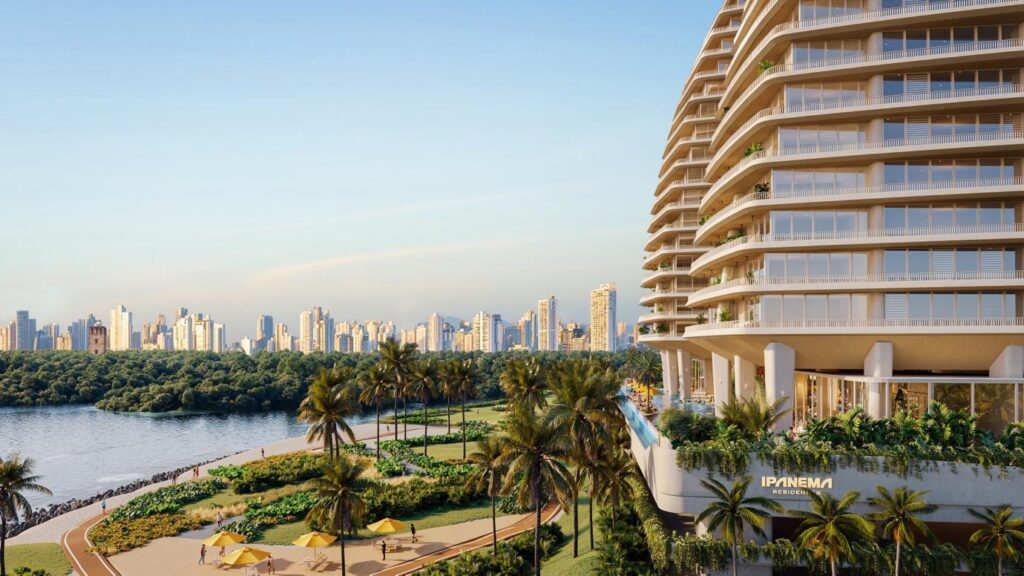
The most recent Panama City deal was to own in the Ipanema community. It’s three towers set on the last prime waterfront land of its kind in the city, right next to the Costa del Este district that’s home to many of Panama’s multinational offices.
I bought in this deal alongside members. My first Panama buy in over 20 years.
With its prime location and amenities that include a 50-meter lap pool, tennis and pickleball courts, and gym, Ipanema will have huge appeal to the international executives flooding into Panama.
Two-bed condos started at a RETA-only $375,912. I expect a gain of $224,088 five years after delivery. Rent one long term at $3,000 a month and that’s a gross yield of nearly 10%.
Now, I’m hunting for a new Panama City deal.
And I’m also looking hard in Uruguay…
Little Uruguay is wedged between the two giants of South America, Argentina and Brazil. It has no oil. No gas. No gold.
What it does have is something far rarer in that part of the world: stability.
In a region known for coups and protests, turmoil and inflation, Uruguay is a safe, well-run democracy. For decades, wealthy folks from Buenos Aires and Sao Paulo have come here to own homes, keep their money safe, and sleep soundly at night.
Uruguay is now one of the wealthiest countries per capita in South America. The World Bank classes it as high income. Corruption is judged to be lower than in the U.S. More than 60% of the population is middle class.
And like the Dutch, Uruguayans have a knack for doing more with less.
Back in 1968, Uruguay started mapping every hectare of its farmland and gave each plot an official state-backed productivity score. Suddenly an investor in Madrid or New York could value a Uruguayan farm without ever setting foot on it. Foreign capital poured in.
Today this country of three and a half million people is a major exporter of beef, grain and pulp. It was one of the first countries in the world to electronically track every single head of cattle, from farm to plate.
Small country. Smart decisions. A reputation the world is willing to pay for.
That reputation is now reshaping its coast…
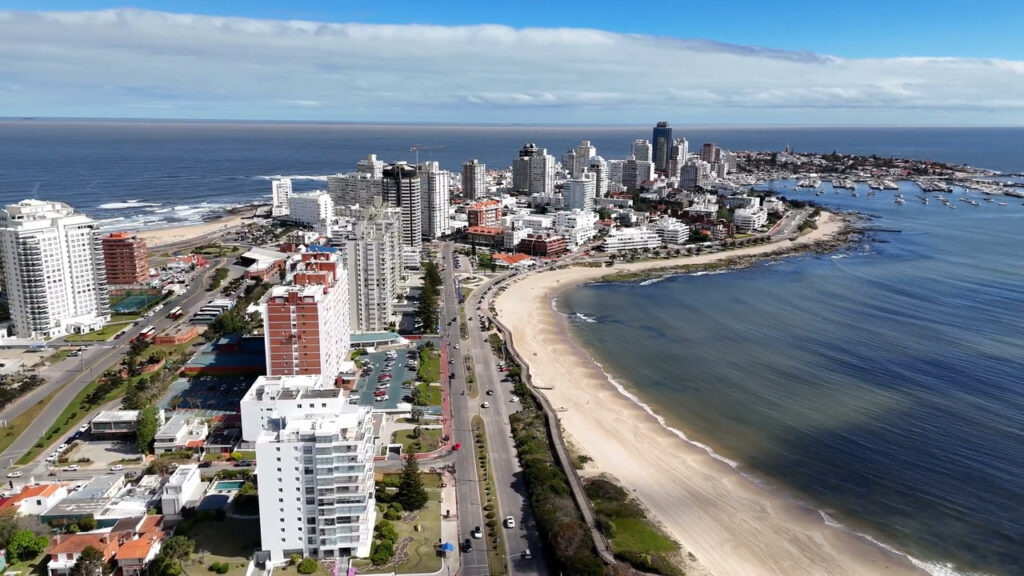
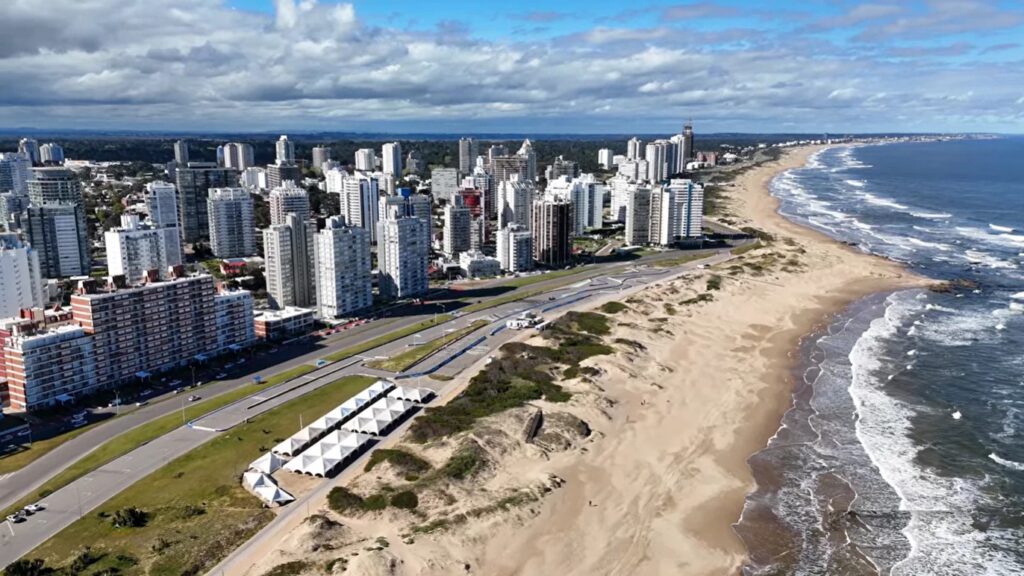
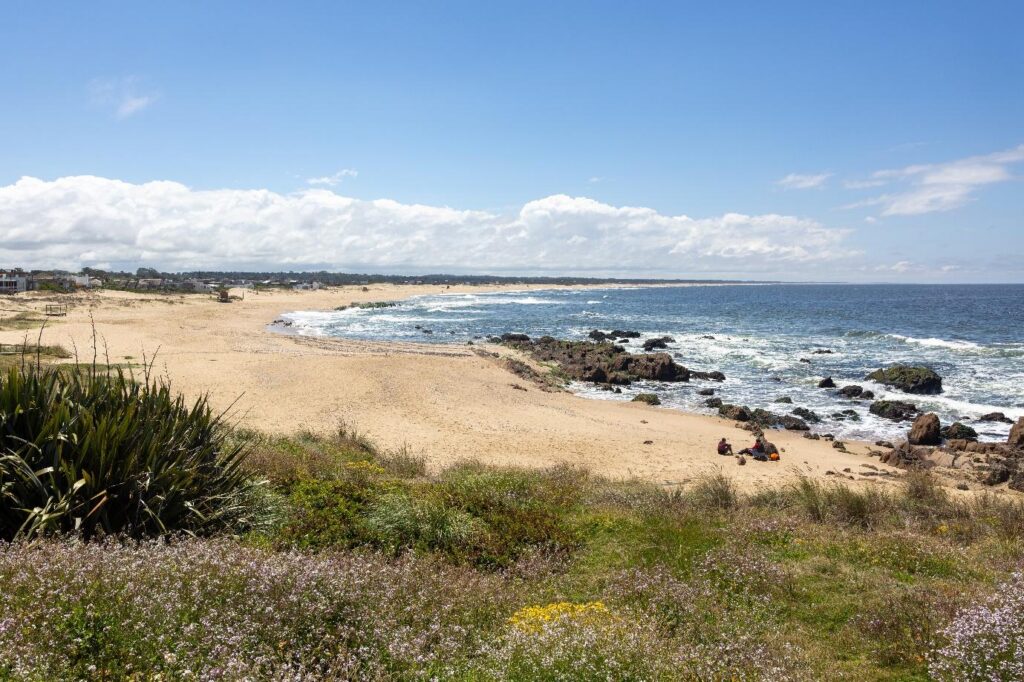
The Punta del Este corridor in Uruguay has long been the premier beach resort in South America. It has golden-sand Atlantic beaches backed by pine forests, a glittering marina and bohemian towns stretching east.
For decades it was a classic summer playground. Every January and February, the global jet-set poured in. They filled the beach clubs and partied until dawn. Come March, they locked up their villas and went home, and much of the place went quiet.
Not anymore.
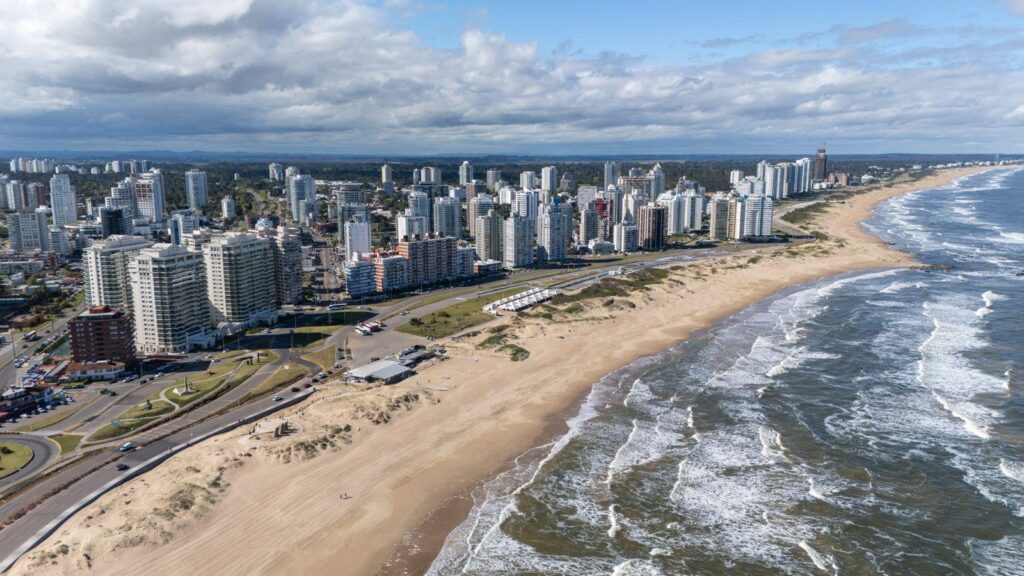
More and more people have stopped visiting Punta and started living there.
Many are coming from North America and Europe, drawn by Uruguay’s stability and its attractive residency and tax regime.
When people live somewhere year-round, everything changes.
They need schools, healthcare and restaurants that stay open in offseason. Businesses follow. Wealth flows in. That’s the shift from seasonal resort to year-round destination. When it happens, the demand for best-in-class real estate soars.
Portugal went through exactly this a decade ago. I believe Uruguay is going through it now. And I’m working to get my RETA group a members-only deal…
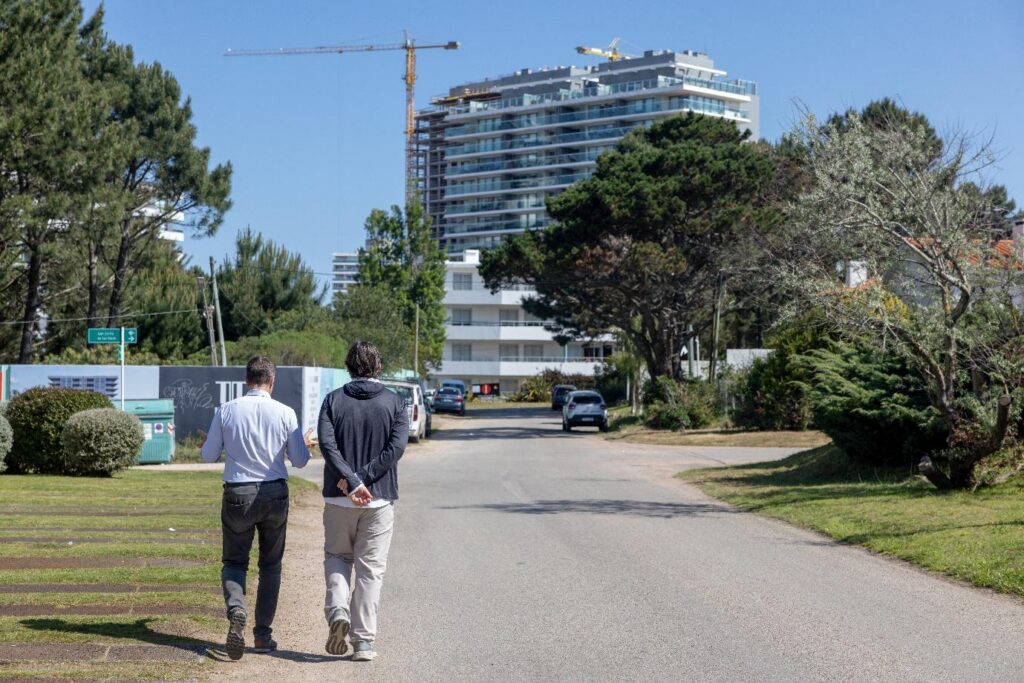
Small countries don’t have the luxury of size. Most can’t coast on vast land, oil or gold. So the best of them get smart. They build. They innovate. They make themselves the place where the world wants to do business, invest and live.
And when those decisions set off a wave of investment, development and migration, extraordinary real estate opportunities follow.
The Dutch did it from this very square. Panama and Uruguay are doing it right now.
Wishing you good real estate investing,

P.S. While in Uruguay, I sat down to record an in-depth conversation with my go-to Uruguayan attorney, Juan Federico Fisher. Juan is a lawyer and the managing partner of Andersen in Uruguay, a major global law and tax firm. For years, he’s been the man I turn to for information on residency, legal and tax matters in Uruguay. Tomorrow, I’ll share the video of our discussion. Watch out for that.