Tomorrow at 1 p.m. ET, I’m opening an exclusive, off-market deal to members of my Real Estate Trend Alert (RETA) group in the Royal Town Kotor community.
It’s only the second deal I’ve recommended on Europe’s New Riviera in 11 years of scouting.
This is best-in-class, amenity-rich real estate in Montenegro’s Bay of Kotor.
There are stunning two-bed condos from a RETA-only €362,663. I expect these will be worth €560,000 five years after delivery. That’s a gain of €197,337.
And there are also stylish studio apartments from a crazy €168,925. I expect these will be worth €260,000 five years after delivery. That’s a gain of €91,075.
Deals like this are what RETA is all about…
Using the group-buying power of members, I can negotiate first-in, off-market deals from developers with exclusive pricing that ordinary buyers never see. More on tomorrow’s deal in a moment.
But to understand why it’s so compelling, you only need to follow the superyachts…
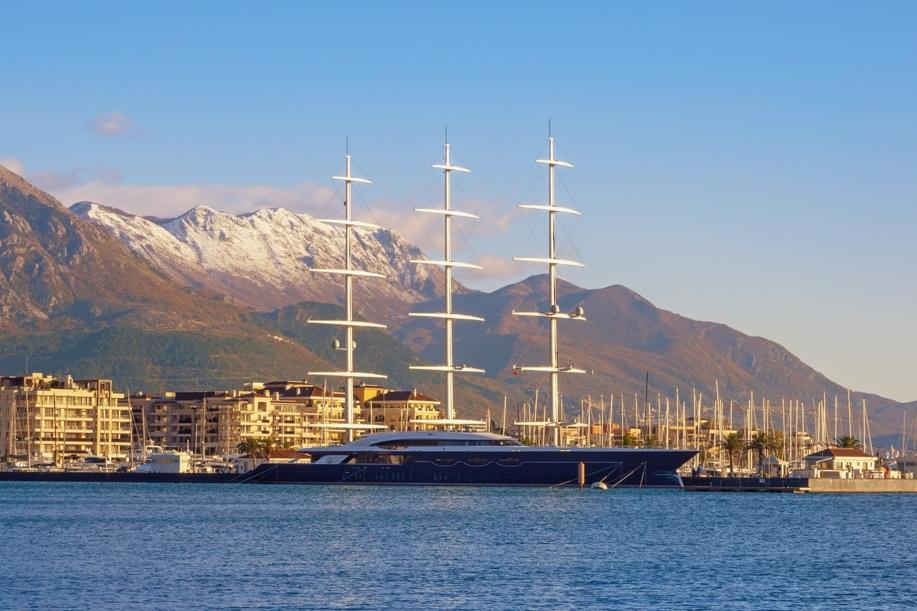
Once upon a time, only very rich people could own a sail boat.
Then came the war. The big one with the Nazis and Japanese. The country mobilized to manufacture…
And afterward, America boomed. In the late 1940s factories that had made bombs and tanks began churning out TVs, fridges and cars.
More people had disposable income and they wanted to spend it.
Airplanes got bigger, air travel cheaper. Owning a car wasn’t a rare luxury but an essential. Across the world the age of modern tourism began in earnest. Travel opened up to the masses through the 1960s and 1970s.
And along with other big changes marinas went mainstream.

Take a tour of Europe’s New Riviera. My team filmed on the ground so you could understand the story in a few minutes of video.
Before the 1960s a marina—if you could find one—was usually just a place you parked a boat. Services were basic. And recreational boats were expensive.
With the discovery of new materials like fibreglass and new manufacturing processes the cost of recreational boats plummeted.
A group of people I call the “mobile affluent” could now own a sailboat, yachts were no longer the preserve of the ultra-wealthy. (More on them in a moment.)
Other things were happening to drive the market for recreational boating…
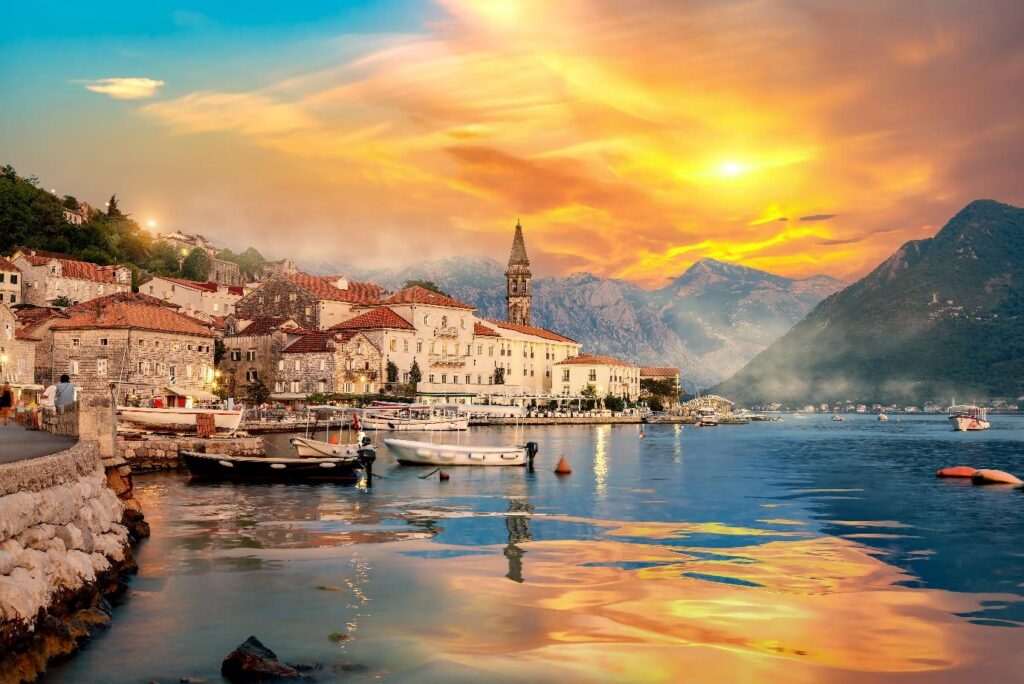
As tourists poured onto the world’s sunny coasts…places like Florida, Spain, France…many small ports were converted into recreational marinas.
And new and improved modes of transport were leaving some ports under-used or vacant. This was the age of the airplane. Passenger ships were passing into history.
But converting commercial harbors and fishing ports couldn’t alone serve the booming market. Yachts are more delicate than hardy fishing tubs, and require different mooring conditions.
And the needs of yacht-owners are different from the sailors of commercial vessels. Yacht-owners want amenities and services…yachts spend most of their time moored.
So was born the concept of the “marina village” developed in the Caribbean, around the U.S. and in the Mediterranean. Residential and commercial development spread out from the marinas.
And then came the “super yacht.”
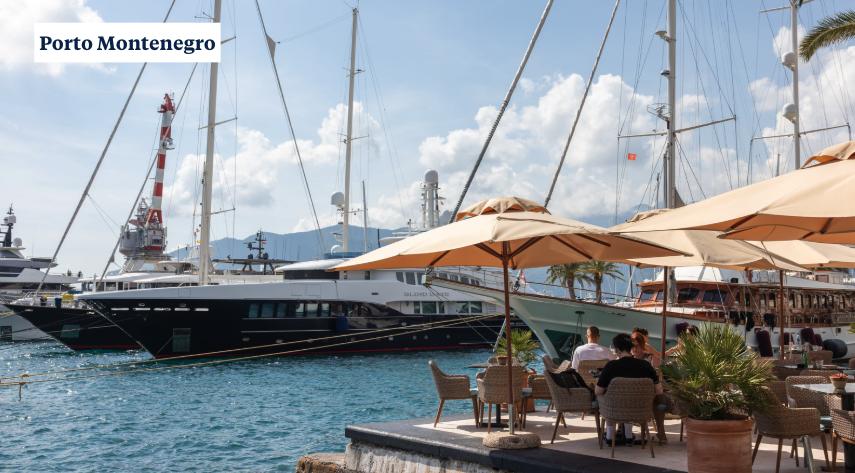
There’s no universal agreement on what makes a yacht super or mega. But size, opulence and the presence of a permanent crew all play a part.
The point is that yachts are getting bigger…and bigger. The largest are now being called giga-yachts.
The trend toward bigger luxury yachts is interesting to us as real estate investors because we understand supply and demand.
The supply of berths has always struggled to keep up with the number of yachts. Building a marina is a complicated thing.
It’s quicker and easier to build yachts than it is to build the marinas to berth them…
And now there’s the added complication of yachts getting bigger.
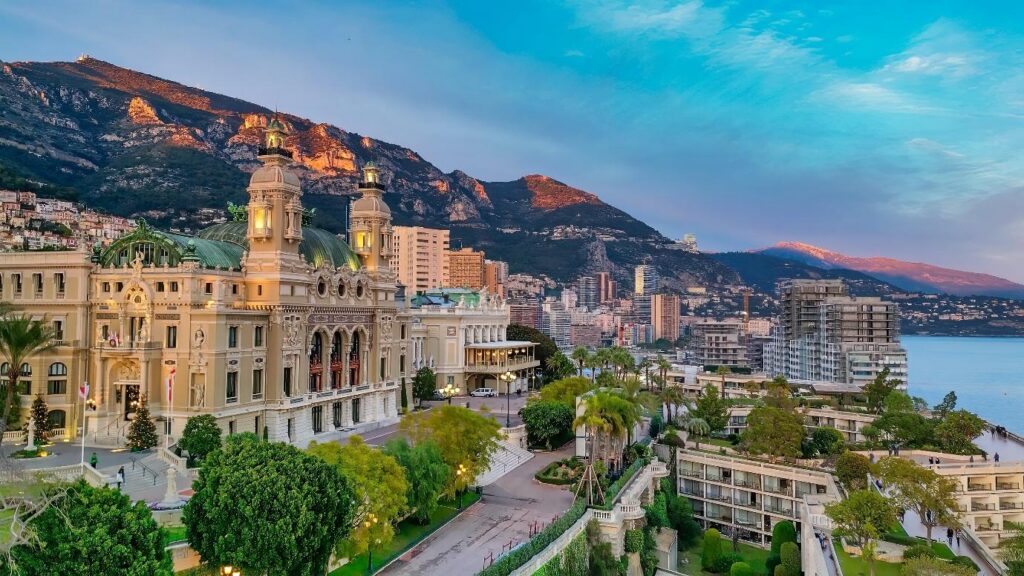
Billionaire berths are even harder to come by than regular berths. Re-building the marinas on the French Riviera or the Greek Islands to accommodate massive super-yachts is extremely difficult…permitting, planning, expense…
In 2023, when Jeff Bezos tried to moor his 417-foot yacht, Koru, in Fort Lauderdale, Florida there was no berth big enough.
Instead he had to park in the commercial area of Port Everglades.
Picture a $500-milion yacht sitting among rusty shipping containers and tugboats—not what you would call arriving in style.
In 2007, Canadian billionaire Peter Munk was having the same problem as Bezos. Monaco, Portofino and the usual places in the Mediterranean were too busy, crowded. He wanted somewhere to moor his yacht, Golden Eagle.
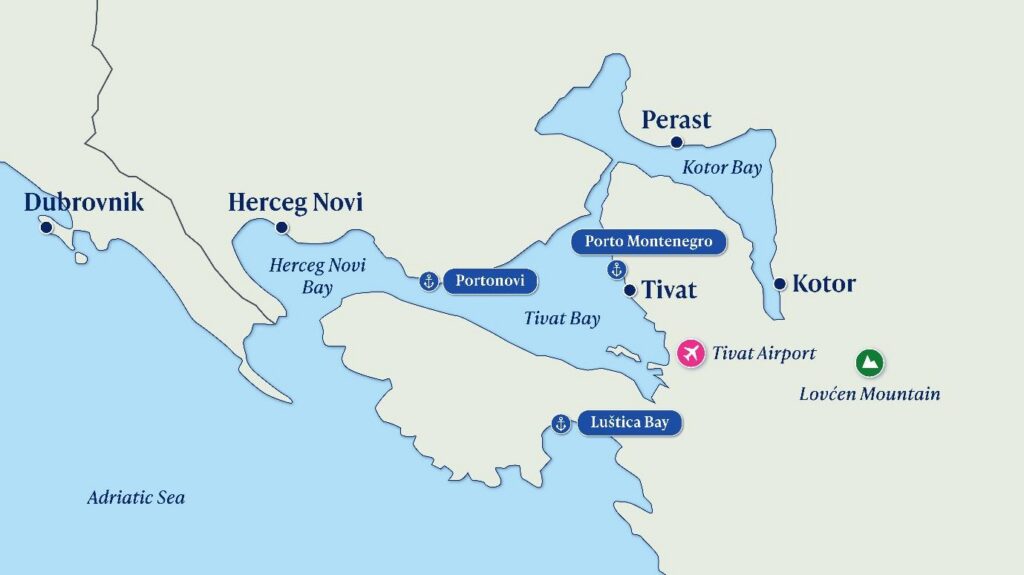
So he got in his helicopter and scouted the coastline of the Adriatic Sea searching for the perfect place to build a luxury marina that catered to the world’s biggest yachts and billionaires like him.
In 2007 he did a deal on an old Soviet submarine base in the Bay of Kotor that today is ranked the world’s number one super-yacht marina as voted for by the crews and captains of super-yachts.
The market for superyachts is booming.
There have never been more of these boats, or more people who want one.
Knight Frank’s Wealth Report puts yacht transactions at $8.5 billion in 2025—a 70% jump in 12 months.
But the number that matters most for our purposes isn’t the count. It’s the size. The average yacht on order today is bigger than at any point on record. Owners are ordering fewer boats and far larger ones.
Now look at what’s been built in the Bay of Kotor…
Porto Montenegro has 512 berths taking yachts from 12 meters to 250 meters, and it holds Five Gold Anchor Platinum accreditation—the highest rating in the world for a marina.
And it didn’t just build berths. On the site of the old Bijela shipyard, a joint venture between Porto Montenegro and Drydocks World Dubai opened Adriatic42—a full refit and maintenance yard for megayachts.
A berth is one thing. Somewhere to haul a 100-meter yacht out of the water and work on it is another entirely—and it means these boats no longer have to leave Montenegrin waters to be maintained.
An owner who keeps a boat that size in the water isn’t flying in for a weekend and leaving again. He’s looking for somewhere to base himself. Somewhere his family will want to spend a season. A hotel good enough for the guests he brings. A restaurant he’d choose twice. A school his children could actually attend.
So Porto Montenegro built a town. Two hotels, the Regent and SIRO. A yacht club. More than 170 shops and restaurants. Over 750 apartments. And Knightsbridge International School, right there.
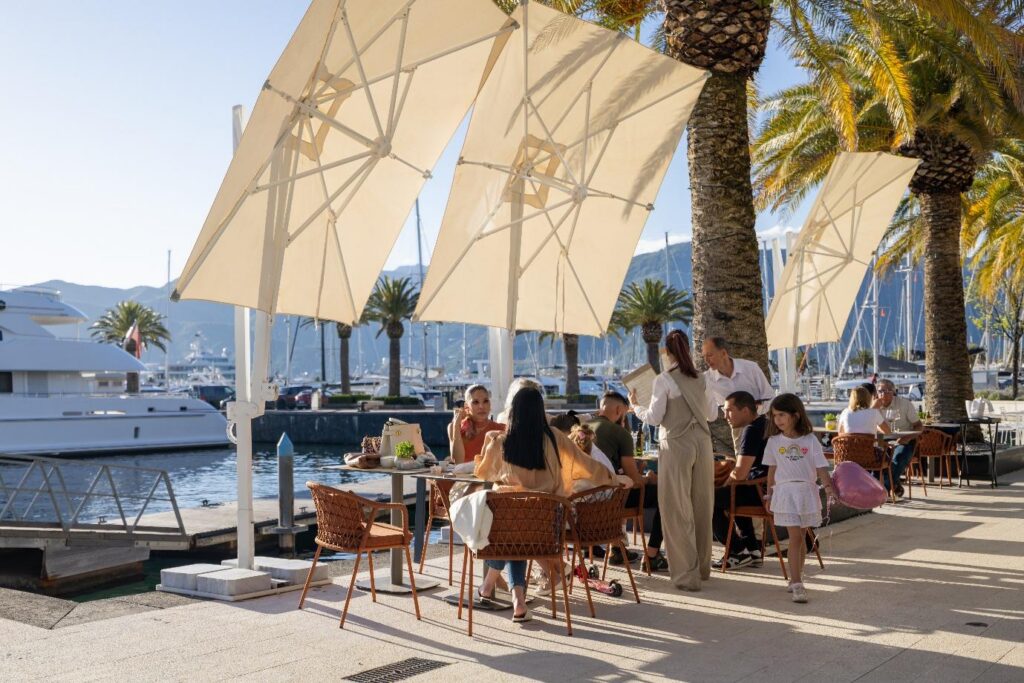
None of that was built for the crews. It was built for the people who own the boats—and for the people who follow them.
That’s what turns a marina into a home port. And a home port is what generates year-round demand for exactly the sort of real estate RETA members can buy at Royal Town Kotor.
For the millions of affluent people who want comfort and luxury at a price they can afford, there is very little choice.
Little Montenegro and the wealthy investors who have bankrolled development on Europe’s new Riviera have gone straight for the ultra-wealthy market.
Here’s a listing there for a one-bed apartment for nearly a million:
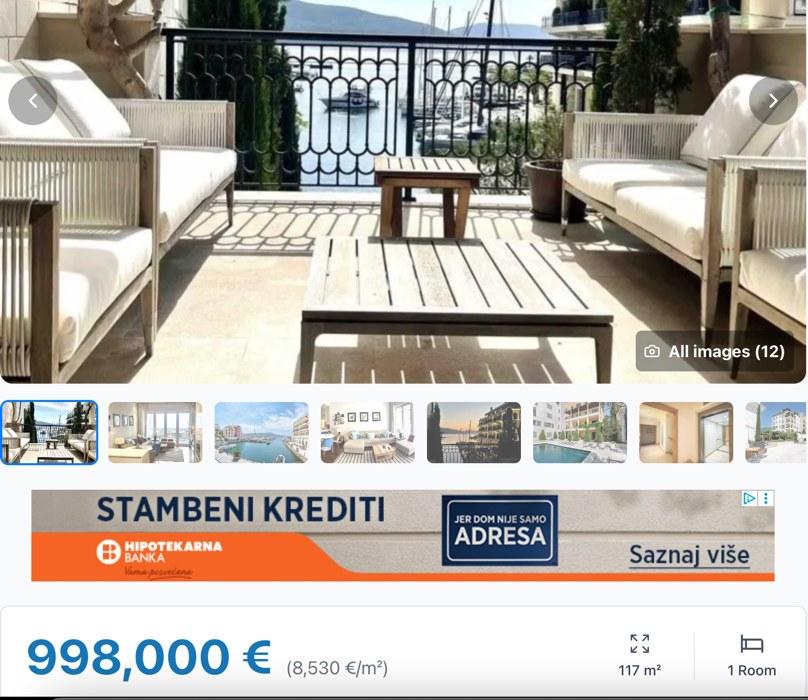
Two-bed apartments in other phases list for €650,000 and up. The entry price at Porto Montenegro tells you something about where this market has already gone.
New studios at Porto Montenegro are now being offered from around €390,000.
And that’s the cheap end.
At Synchro Yards, Porto Montenegro’s newest ultra-luxury waterfront neighborhood, one-bedroom apartments in IVO Residences launched from around €1 million. At the very top end of the development, prices have reached as much as €23,000 a square meter.
Head around the bay to another of its super-yacht enclaves, Portonovi, and the numbers get even more extraordinary.
A One&Only branded private home currently being marketed there asks €14 million.
And you don’t need to be shopping at the One&Only to spend serious money.
Just a couple of years ago, you could get into Portonovi’s Village Residences from around €650,000.
Today?
Portonovi’s own sales team advertizes its move-in-ready one-bedroom apartments from €850,000.
That’s €850,000. For a one-bedroom apartment. In Montenegro. And this real estate sells.
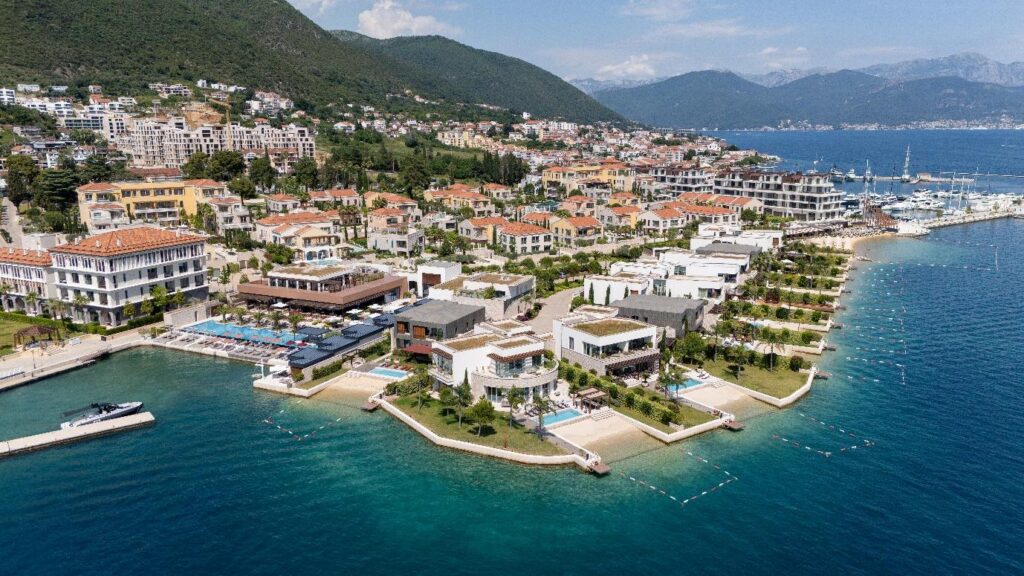
These prices show how far the Bay of Kotor’s luxury market has moved.
But behind the super-rich is a much larger group which I mentioned a moment ago. I call them the “mobile affluent.” This is a term I use for professionals who earn well. These are not super rich, but well off. People like me. They can often move around to some degree.
They may not want to spend €850,000 on a one-bedroom apartment or €14 million on a branded home. But they still want stylish, modern real estate with pools, gyms, restaurants, beach access and professional management.
There is remarkably little of that around the Bay of Kotor.
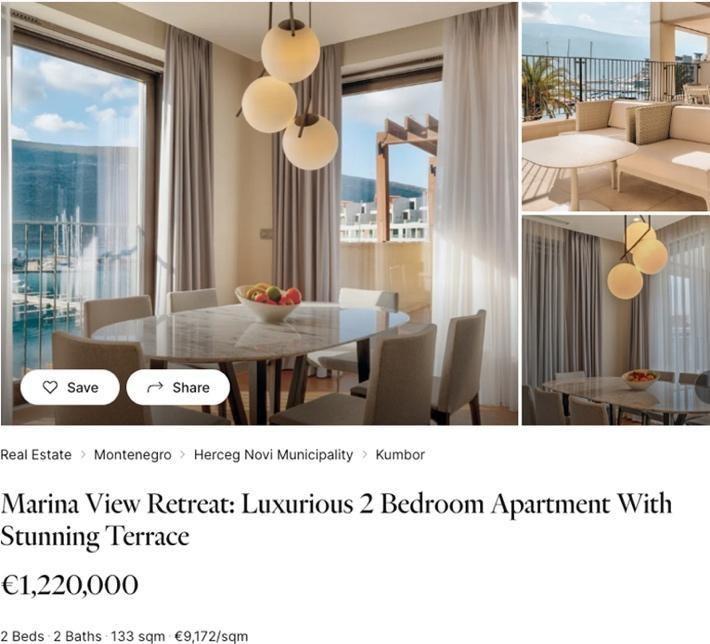
Buyers generally face a choice between older apartments with few amenities and ultra-luxury residences priced far beyond what they want to spend.
That’s the gap Royal Town Kotor fills.
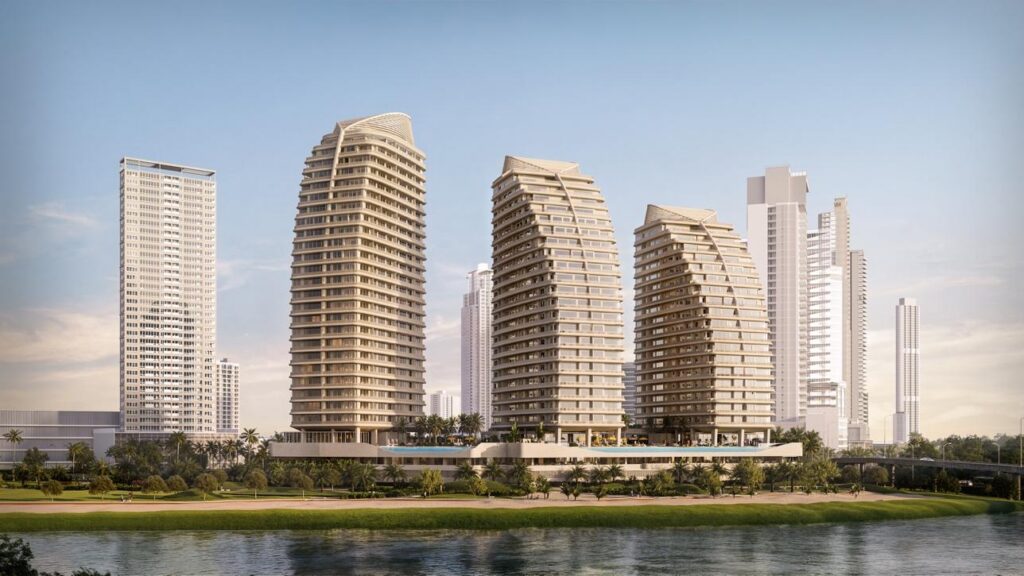
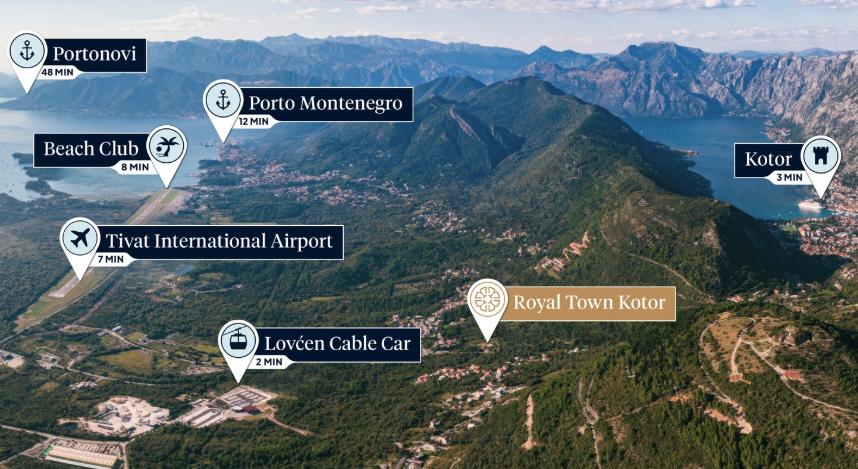
Within easy reach of the bay’s marinas, resorts and historic towns, the community is designed in the style of a Tuscan palace. Its planned amenities include an infinity pool, spa, gym, yoga and Pilates studio, restaurant, kids’ club, entertainment room and beach-club shuttle.
There are stunning two-bed condos from a RETA-only €362,663. I expect these will be worth €560,000 five years after delivery.
That’s a gain of €197,337.
And there are also stylish studio apartments from a crazy €168,925. I expect these will be worth €260,000 five years after delivery.
That’s a gain of €91,075.
And there’s exclusive developer financing, plus an attractive payment plan.
Tomorrow at 1 p.m. ET, the Royal Town Kotor deal opens exclusively to RETA members.
Wishing you good real estate investing,

P.S. Want to see what’s planned for Royal Town Kotor? Click here to watch a short video tour created from the developer’s renders. It takes you through the Tuscan-inspired community, its residences and its resort-style amenities.
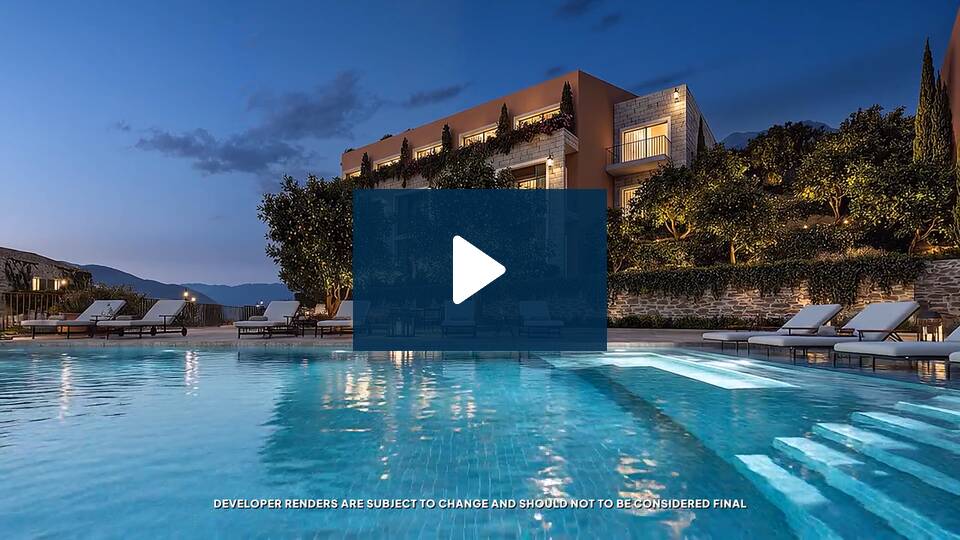
Royal Town Kotor. Studios from a RETA-only €168,925, two-beds from €362,663—with exclusive developer financing and an attractive payment plan. This deal opens tomorrow at 1 p.m. ET