In this week’s Your Overseas Dream Home Digest…
- VIDEO: International Living’s Jen Stevens and I Talk Portugal
- Venezuela: Crisis, Opportunity, and Taking the Long View
- WATCH: The Difference Between Venezuela and Cuba
- Your Questions Answered on Scouting Colombia
Hello from sunny Guadalajara.
I’ve been staying at my base in this booming city since returning from scouting Paraguay just before the holidays.
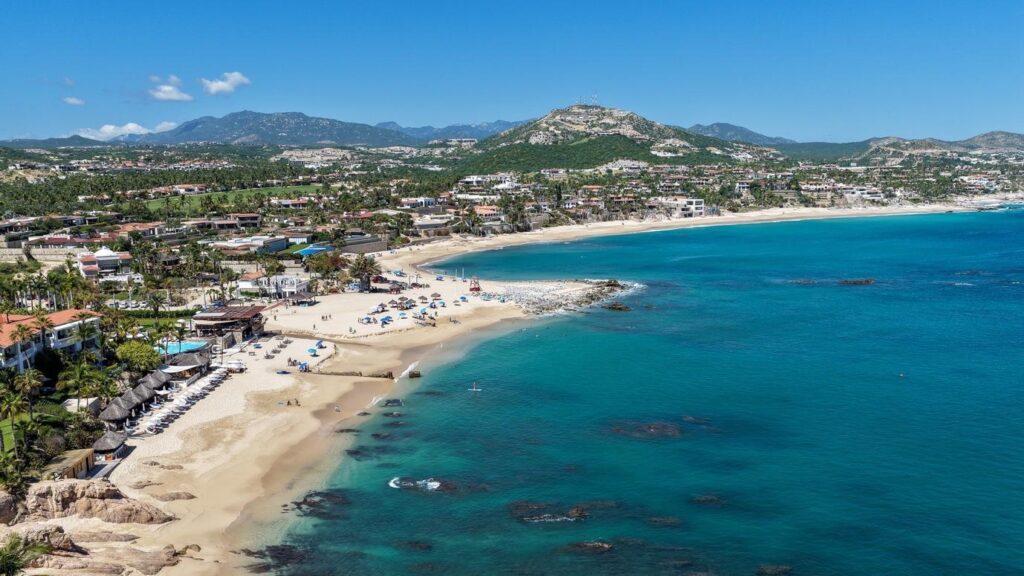
Very soon, I’ll be back on the road. Next week, I’ll be scouting for opportunities and meeting with developers in Mexico City. And later this month, I’ll be returning to Cabo—where I also keep a base—to dive into the latest developments in that world-leading destination.
Today, though, I want to switch gears and talk small-town Portugal…and potential crisis opportunities in Venezuela.
Let’s start in Portugal…
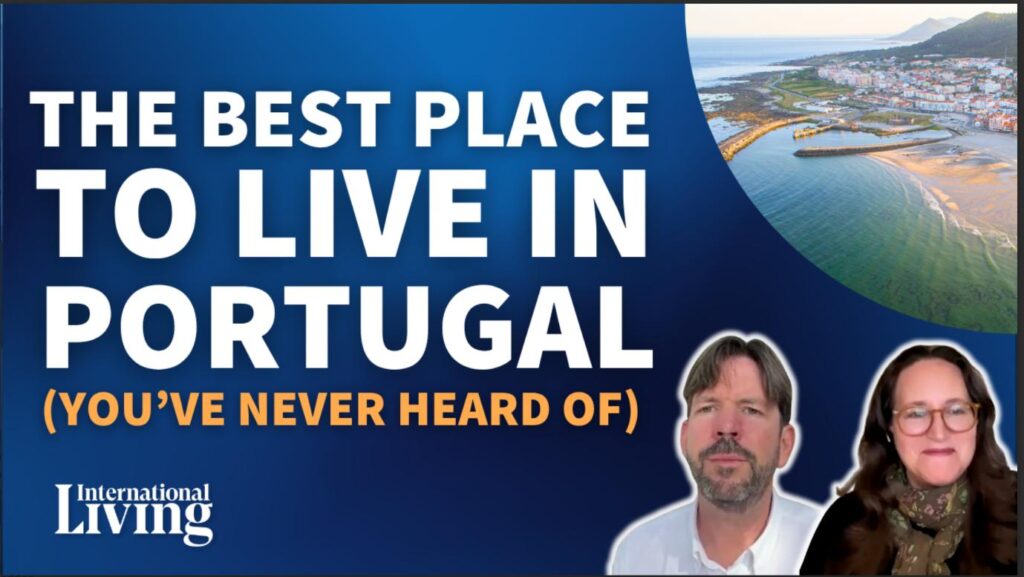
From here in Guadalajara, I recently sat down for a special video call with International Living Executive Editor Jen Stevens.
Jen’s a longstanding colleague and friend. And as part of a new series of interviews on International Living’s YouTube channel, we discussed a part of Portugal most people have never even heard of—the small town of Caminha in Portugal’s far north.
Caminha sits near the mouth of the Minho River that separates Portugal from Spain.
This town is an idyllic vision of small-town Portugal. Its winding cobblestone alleys lead to medieval churches and towering stone walls that speak to millennia of history.
In late 2024, I paid less than $90 per square foot for a historic mansion in the town of Caminha. Now I expect my home to double in value within five years because this idyllic town in rapidly being discovered by expats and second home owners.
In the video, Jen and I dive into what makes this region so special…why it’s being discovered…how affordable it is to live here (you should see my holding costs)…and so much more…
The town of Caminha sits right on Portugal’s northern border with Spain. It offers incredible value compared to popular coastal destinations to the south, as I discuss with International Living Executive Editor Jen Stevens. Click to view…
Venezuela: Crisis, Opportunity, and the Long View
Whether you’re in Guadalajara or New York, one topic has dominated the news cycle over the last week: Venezuela.
I’ve been watching this country for a long time now. Because under the right conditions, Venezuela might be the best crisis play in the world.
Venezuela should be one of the world’s wealthiest countries. It has enormous oil reserves, extraordinary natural beauty, fertile land, and a well-educated population.
In the middle of the 20th century, it was among the richest nations on earth. And in the decades that followed, tourism to the country—particularly to the stunning Caribbean destination, Isla Margarita—flourished.
However, as I discussed in Friday’s dispatch, the tourism sector began to unravel, along with the rest of the economy, when socialist president, Hugo Chávez, came to power in 1999.
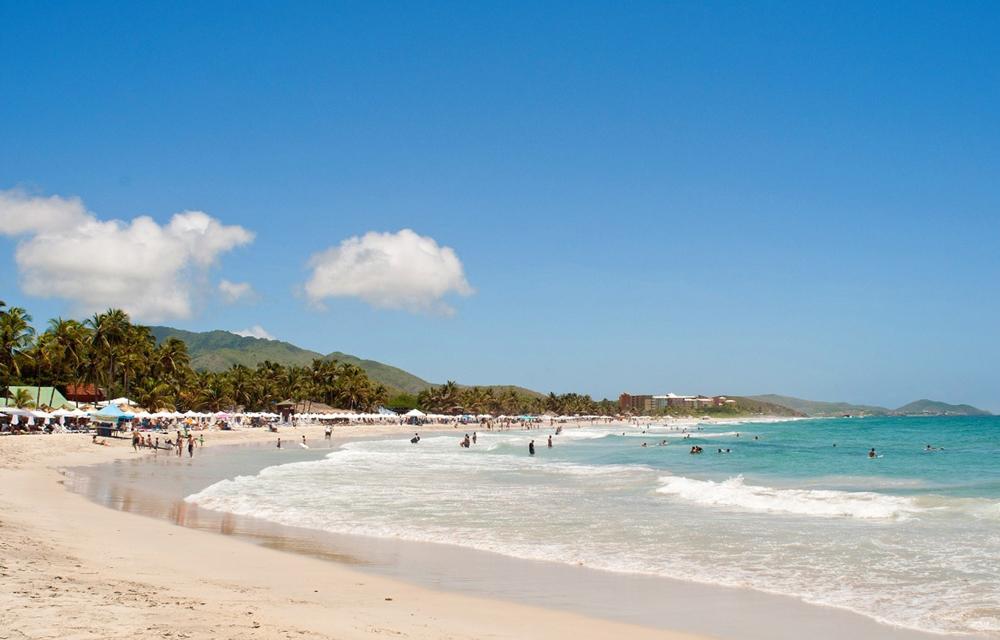
Set in the Caribbean Sea off the coast of Venezuela, Margarita Island is home to scores of breathtaking beaches. This was once a tourism hot spot. And under the right conditions, it could be again…
Today, real estate prices there are shockingly low. On Isla Margarita today, you can get condos from astonishing valuations like $15,000.
On paper, it looks like the kind of opportunity crisis investors dream about. But timing and clear-eyed analysis are crucial when it comes to crisis investing.
WATCH: The Difference Between Venezuela and Cuba
And continuing my exploration of Venezuela…
After events in Venezuela made global headlines, talk turned to the potential impacts on Cuba, given the island is dependent on Venezuela for oil and funding.
In a video alert first shared with my members of my Real Estate Trend Alert (RETA) group earlier this week, I sat down with RETA Editorial Director, Ciaran Madden, to dive further into the situation in Venezuela.
We also explored why Venezuela and Cuba are fundamentally different propositions for investors—and why understanding those differences matters. Click below to view…
Earlier this week, I sat down with RETA Editorial Director Ciaran Madden to offer a clear-eyed take on crisis opportunities in Venezuela—and to discuss why the situation there for potential real estate investors is very different from that in Cuba.
In the video, we discuss why Venezuela’s upside—if stability emerges—could be extraordinary. And I share where my research focus is right now:
- Why secure, upscale gated communities in the capital Caracas could become ground zero for a rebound if oil industry executives return from overseas.
- How the Venezuelan diaspora—capitalized, global, and ready to return under the right conditions—could drive the next chapter
- And why Venezuela’s functioning title system sets it apart from Cuba and makes a potential rebound in the real estate market far more achievable.
Also in the video, I touch on the framework I use to decide when a crisis has moved from pure speculation to asymmetric opportunity—drawing on lessons my RETA group has learned in places like Ireland, Spain, and Portugal after the global financial crisis.
Your Questions Answered
Have a comment for me or my team? A question about owning overseas? Share it here. I’d love to hear from you. Here’s a question I got from a reader recently…
J.Q. asks: Hi Ronan! Are you planning to scout Colombia? Can you please come up with an article about real estate investing Colombia?
Ronan says: Thanks for your message, J.Q. I’m always interested to hear readers’ suggestions for scouting. And Colombia is definitely on my radar. In fact, a member of my team lives in Medellín full-time, and acts as my eyes on the ground there. I recently wrote about the “City of Eternal Spring,” as Medellín is known. You can read that here.
Medellín was once notorious as the most dangerous in the world. But it isn’t a city of violence anymore—it’s a city of flowers, eternal spring, and year-round blooms. An overlooked corner of South America transformed and attracting international companies and mobile people.
I first walked its streets back in 2011 when the world still clung to its dark reputation, but on the ground I could see change was already in motion…
But, oh boy, has the world caught up now…
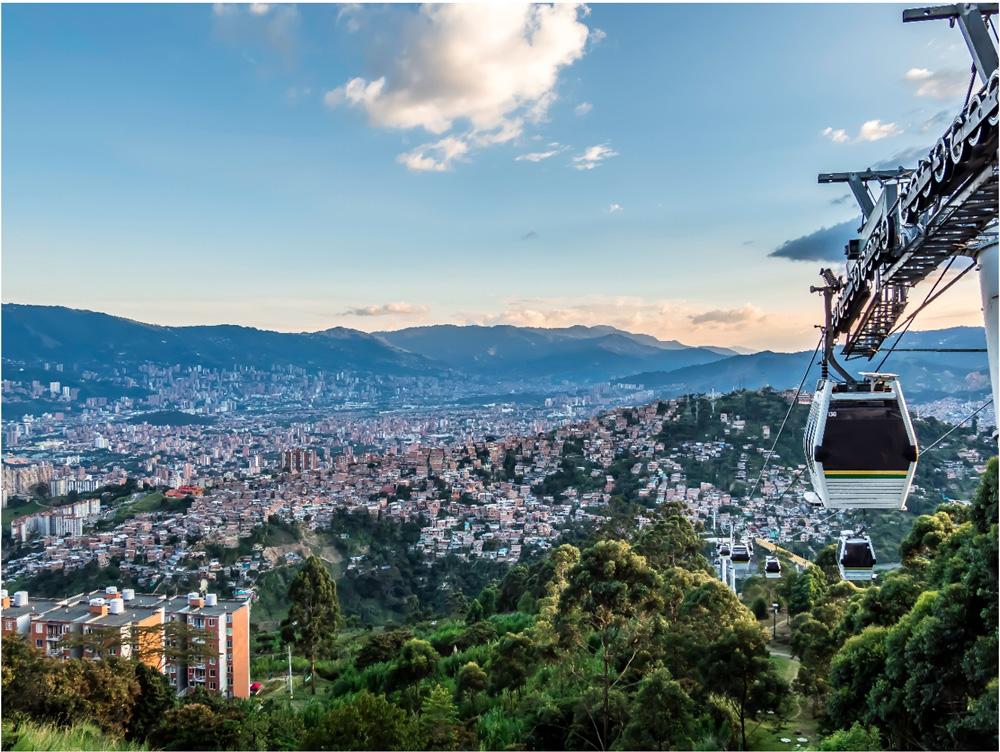
Here’s the skyline of Medellin as seen from a hillside cable-car station.
ForwardKeys’ latest analysis of air bookings shows that between January and June 2025, Medellín saw a 30.1% increase in international reservations, making it one of Colombia’s top cities for attracting foreign visitors. Accounting for 19.3% of all international reservations to the country, Medellín ranks as the second most popular destination after Bogotá.
And people are coming here to live too.
It’s gone from the most dangerous city in the world to one of the most livable cities in Latin America.
What’s happened in Medellín began around the turn of the century when the city launched a massive push to escape its troubled past.
Medellín reimagined itself. And real estate has followed.
To read more, and discover one of the key investment strategies that makes sense to me in Medellín right now, click here.
Wishing you good real estate investing,

P.S. If you have a question about buying real estate overseas or have suggestions for destinations my team and I should put on our scouting list, drop me a line here.